Uzbekistan is set to further expand and modernize its environmental and waste management systems, with new targets aimed at improving coverage, reducing landfill use, and strengthening ecological protection across the country.
Plans for 2026 aim to increase sanitary cleaning service coverage to 90%, reclaim 18 landfills, and expand the use of waste transfer stations. By 2030, the number of landfills is expected to be reduced by 50%, as part of broader efforts to improve waste logistics, increase recycling, and reduce environmental pressure.
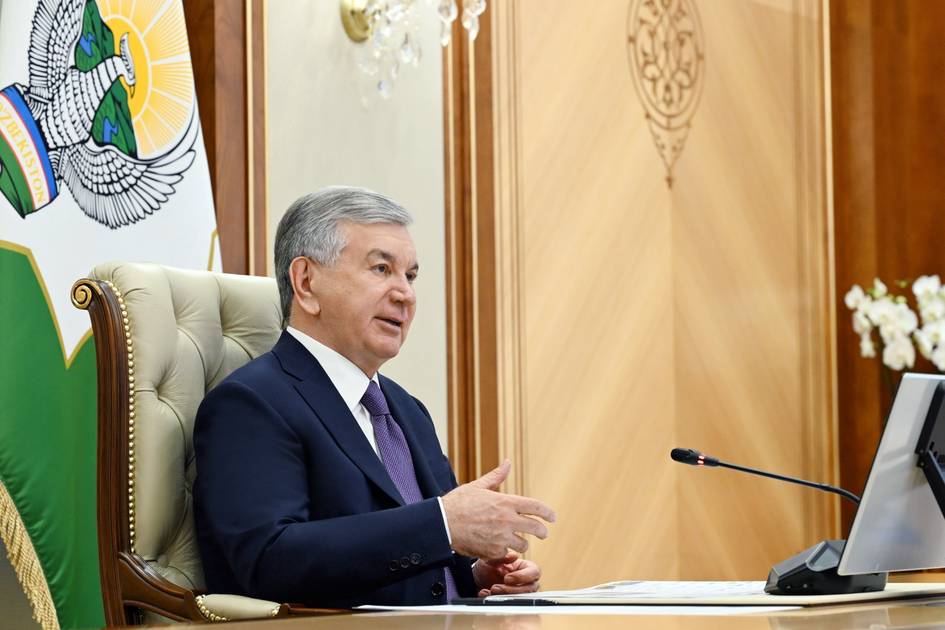
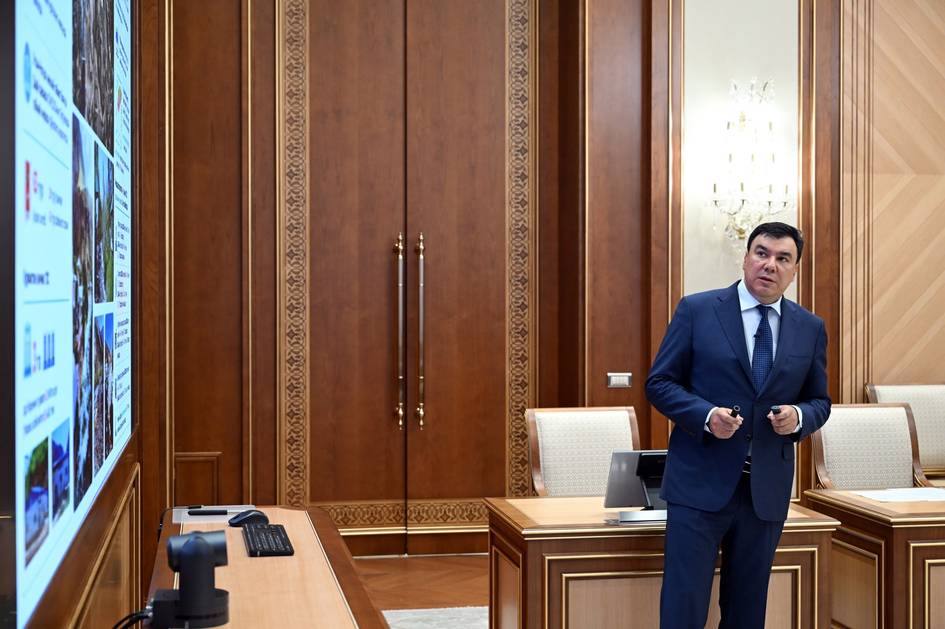
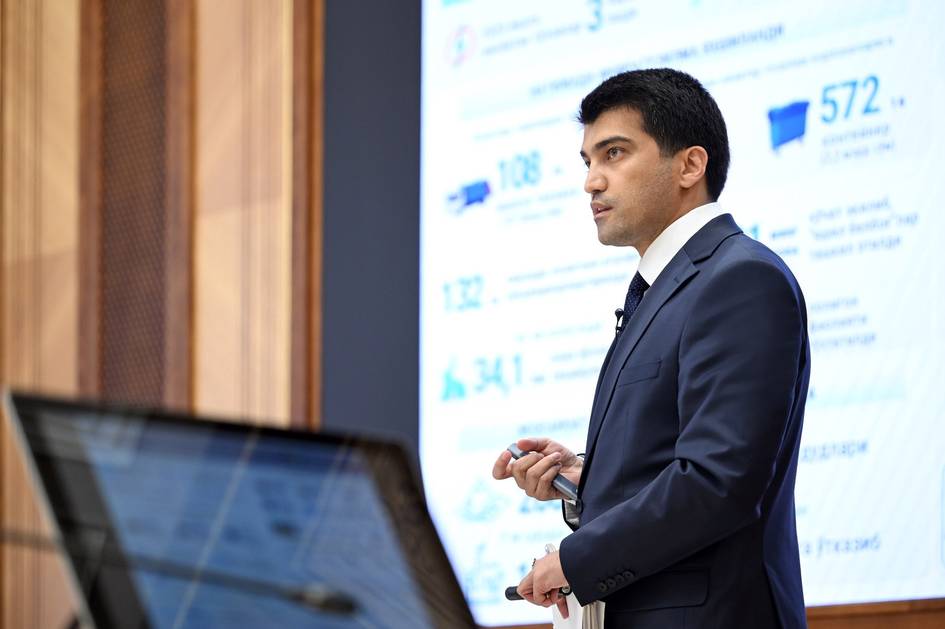
On April 30, President Shavkat Mirziyoyev was briefed on a comprehensive package of proposals covering environmental protection, ecological sustainability, waste management reform, and the development of protected natural areas.
Officials noted that while Uzbekistan has made progress in introducing green economy principles and strengthening environmental governance, rapid industrial and urban development is increasing pressure on ecosystems, requiring tighter enforcement of environmental regulations.
Source: Presidential Press Service
Environmental monitoring data presented at the meeting showed a rise in violations, from over 47,000 administrative offenses in 2024 to more than 59,000 in 2025. Authorities emphasized that current fines often do not reflect the real cost of environmental damage, allowing some companies to treat penalties as a routine expense.
In response, proposals were introduced to revise the system of financial sanctions for legal entities, aligning penalties with actual environmental damage and international standards. This includes stricter liability for illegal extraction of riverbed materials, water pollution, illegal logging, excessive emissions, dust pollution from construction, and unauthorized waste burning.
A key proposal is to combine administrative fines and environmental compensation into a single financial sanction. In cases where violations are admitted, the National Committee on Ecology and Climate Change would be empowered to issue penalties directly, while disputed cases would be handled through the courts.
Special attention was given to restoring and protecting the ecological balance of the Ugam River, located within Ugam-Chatkal National Nature Park.
Source: Presidential Press Service
The river and its basin are home to rare and Red Book-listed species and play an important role in the wider Chirchik River system. However, studies show declining water flow and worsening water quality, increasing risks of erosion and biodiversity loss.
To address this, it was proposed to designate the Ugam River and surrounding areas as a state hydrological natural monument, restrict construction and excavation in sensitive zones, and conduct a full environmental inventory of nearby facilities. A dedicated master plan, “Improving the Ugam River Ecosystem,” is also expected to guide long-term restoration efforts, including afforestation of riverbank areas.
Uzbekistan is also expanding its waste-to-energy capacity. Six plants are currently under construction in Andijan, Namangan, Fergana, Samarkand, Kashkadarya, and Tashkent regions, with a combined investment of $933mn. Once operational, they are expected to process 3.6mn tons of solid waste annually and generate 1.6bn kilowatt-hours of electricity.
Preparations have begun for a second phase involving five additional plants worth $633mn. At the same time, a $260mn hazardous waste management facility is planned in Navoiy region, which will include laboratory classification, chemical and thermal treatment, a specialized landfill, and RDF fuel production, with annual capacity of 330,000 tons.
The volume of construction waste has increased significantly, rising from 1.2mn tons in 2017 to 1.9mn tons in 2025. To improve oversight, authorities proposed a digital monitoring system to track waste from generation to disposal using GPS technologies.
Source: Presidential Press Service
Additional measures include strengthening penalties for illegal dumping, introducing photo and video evidence systems, and making compliance with waste disposal contracts mandatory during construction project approvals.
Plans were also reviewed for expanding protected natural areas and promoting ecological tourism. This includes strengthening conservation measures at the “Yazyavan” natural monument within Fergana National Nature Park, developing monitoring systems using drones and observation infrastructure, and establishing new visitor and educational facilities.
Similar eco-tourism projects are planned for the “Ovjazsay – Sinegorye” national nature park, with an emphasis on balancing tourism development with the protection of fragile mountain ecosystems.
Preparations were also discussed for ECO EXPO Central Asia 2026 and the 8th Assembly of the Global Environment Facility, which will be held in Samarkand.
The Assembly is expected to bring together representatives from 186 countries, international organizations, and environmental experts, marking one of the largest environmental forums ever hosted in the region.
President Mirziyoyev approved the proposals and issued instructions to strengthen environmental oversight, improve waste management systems, protect water resources and biodiversity, and advance the development of protected natural areas based on scientific approaches.