


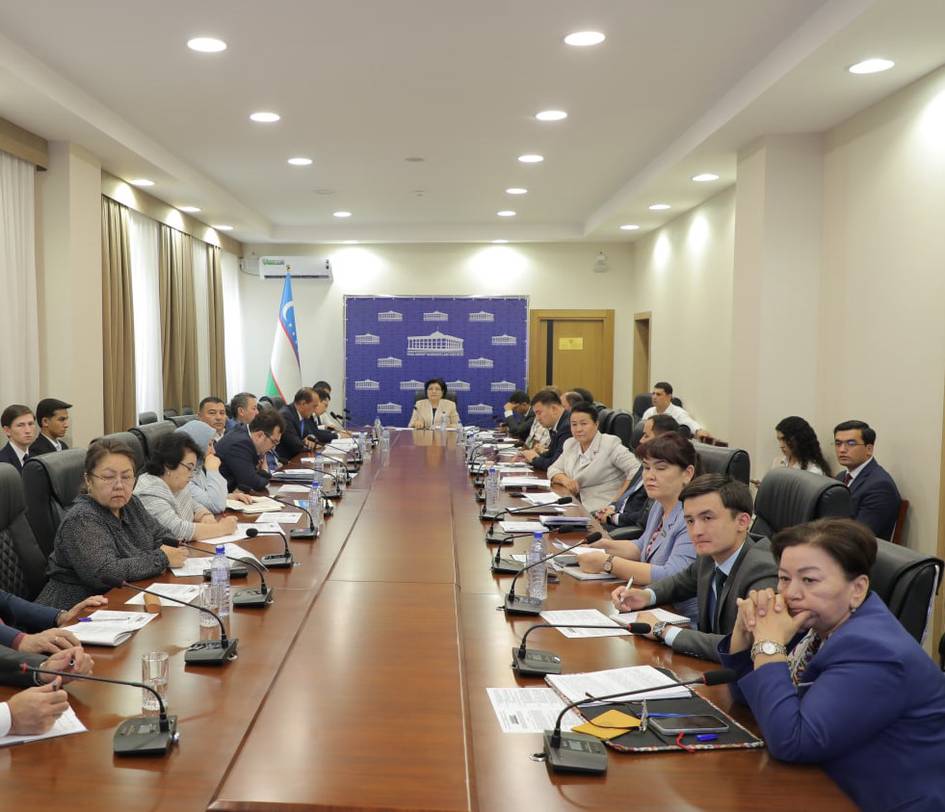



A range of issues related to areas of economic activity in Eurasian Economic Union (EAEU) member states were reviewed at a meeting of the Eurasian Economic Commission (EEC) Council held in Moscow. The Kazakh delegation was led by Deputy Prime Minister and Minister of National Economy Serik Zhumangarin.
One of the key initiatives put forward by Kazakhstan was the proposal to extend transitional provisions for the application of the technical regulation “On the safety of products intended for civil defense and protection against natural and man-made emergencies.” The discussion focused on ensuring continued regulatory flexibility for member states while adapting to updated safety requirements.
Kazakhstan also advanced an initiative within the development of a multimodal transit hub, proposing the exemption of cargo aircraft imports from customs duties and taxes. The EEC Council supported the proposal, establishing a 12-year duty-free regime for cargo aircraft imports.
The measure is expected to ease financial pressure on Kazakhstani air carriers during fleet renewal and expansion. Current EAEU common customs tariffs for aircraft imports range between 7.5% and 12.5%. Kazakhstan’s projected demand for cargo fleet renewal is estimated at up to 130 aircraft, with the policy aimed at supporting long-term logistics and transport capacity development.
The Council also approved the exemption of import duties on LED modules for several EAEU member states, including Kazakhstan. The decision is intended to support industrial cooperation within the union and improve transparency in the use of imported components in LED lighting production.
In addition, the meeting reached agreements on introducing mandatory labeling for a range of goods, including building materials such as gypsum, cement, and mortars, as well as paints and varnishes. The list also covers selected children’s products, including scooters, pedal cars, doll strollers, dolls, electric racing sets, and board games, alongside instant and brewed beverages such as tea, coffee, and cocoa.
Each member state will independently determine the timing and implementation mechanisms for these labeling requirements following consultations with businesses and assessments of infrastructure readiness.
The EEC Council also approved amendments to the rules for determining the country of origin of goods for public procurement purposes. The changes aim to improve access for EAEU manufacturers to public procurement markets across member states.
The updated rules include new requirements for fiber optic cable production and expand the list of goods eligible under the ST-1 certificate system. Newly included categories cover rope and cordage products made from synthetic fibers, non-medical X-ray inspection equipment, and non-destructive testing systems.
According to the Commission, these decisions will allow manufacturers to include their products in the Eurasian Register of Industrial Products and strengthen their access to public procurement markets within the union.
The Council reviewed a wide range of integration-related issues covering energy, natural monopolies, financial market regulation, public procurement, customs and tariff policy, and technical regulation.