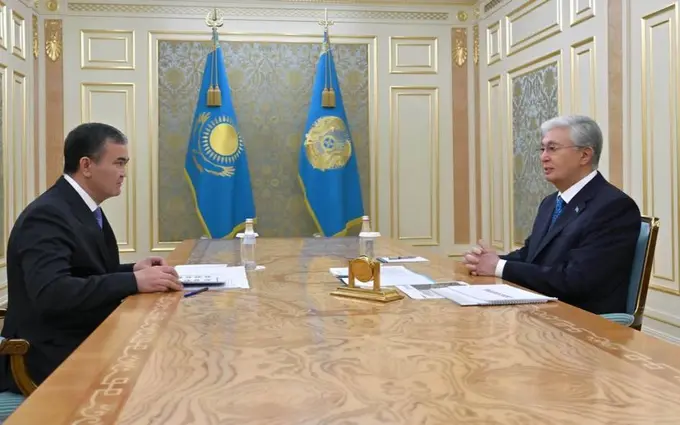
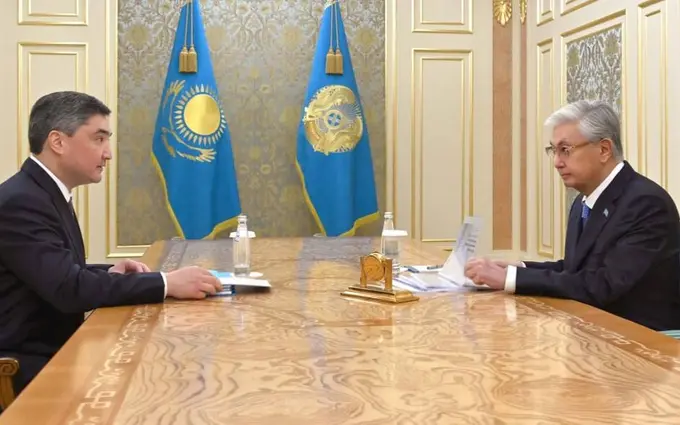
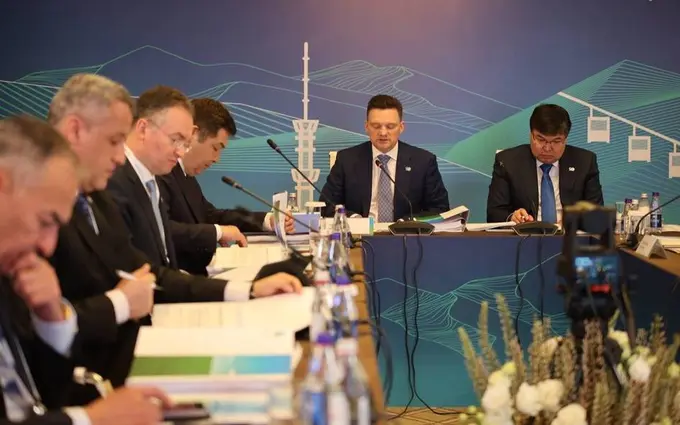
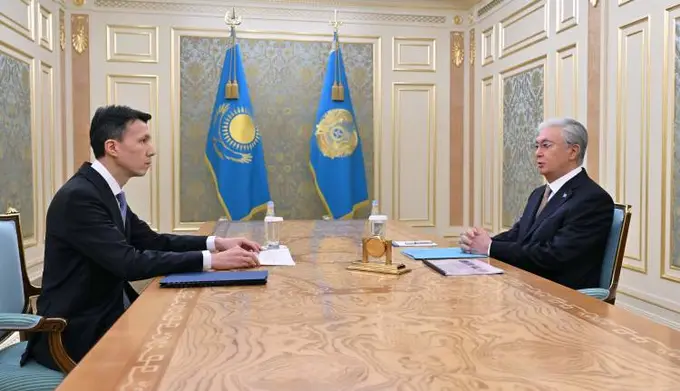
President Kassym-Jomart Tokayev reviewed progress on the development of Alatau City in the Almaty region, where authorities have assembled a portfolio of 53 investment projects worth more than KZT 2tn ($4bn) as part of plans to create a new center of business activity and innovation.
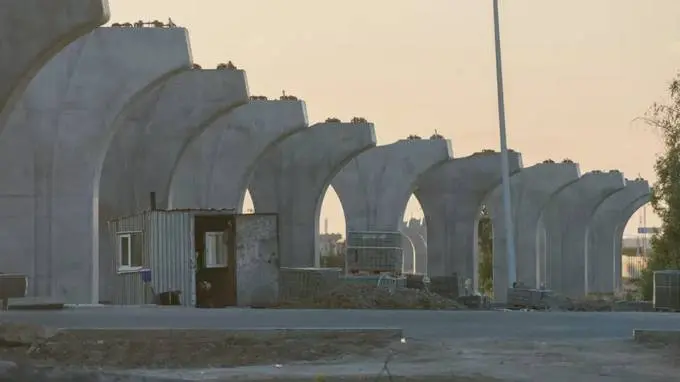
Tokayev's working visit began with a presentation on the future development of Alatau City, which currently covers 88,000 hectares and is divided into four functional zones scheduled for phased development through 2050.
Officials reported that a roadmap for major infrastructure development has been adopted and a Constitutional Law establishing a special governance and legal framework for the city has entered into force.
At present, development is concentrated in the Gate City residential district, where a "Comfortable School" has already been built. Five major enterprises currently operate in the city, including Mareven Food Tian-Shan, Knauf, Fruit Art, Dolce Pharm and the Almaty Fan Plant.

Authorities also highlighted a growing investment pipeline. Among the largest projects are PepsiCo's potato processing plant, which is expected to become the largest facility of its kind in Central Asia, and Mars Petcare's first modern pet food production facility in the region. Other projects include pharmaceutical and medical equipment manufacturing by KHAN TENGRI BIOPHARMA and a logistics cluster being developed by Eastcomtrans and G-Trans.
Tokayev was also presented with plans for the Iconic Complex, a flagship multifunctional development expected to become one of Alatau City's main landmarks.
Addressing officials, the president described Alatau City as a strategically important national project intended to attract investment and accelerate economic development.

“This project has strategic importance for the entire country. We intend to attract investment to Alatau in order to transform it into a new center of business activity and innovation,” Tokayev stressed.
He added that the city is expected to create new opportunities for future generations.
“Our citizens, especially future generations, will have significant opportunities to work, live and grow in this new city,” he noted.
According to the president, Alatau already benefits from a strong legal foundation, including tax incentives, simplified business regulations, protections for local businesses and a regulatory framework supporting the development of digital assets.

“Today Alatau can be called a city of accelerated development with a unique legal status,” Tokayev stated.
The president stressed that legal, land and infrastructure issues must be resolved efficiently to ensure the project's success. He noted that while the Constitutional Law provides a foundation for development, a transparent and predictable regulatory framework remains essential for attracting investors.
Tokayev instructed officials to accelerate work on the city's legal architecture, with authorities planning to adopt key regulatory acts within the next 12 months with the involvement of international experts.
“International investors will not wait for years while we create the necessary conditions. They make decisions here and now when promising opportunities emerge,” he said.
According to Tokayev, delays in establishing the regulatory framework could result in lost investment opportunities and weaken business confidence in the project.
Officials reported that the wider Almaty region's gross regional product reached KZT 6.7trillion ($13.3bn) in 2025, up 5.4% year-on-year, while investment in the regional economy totaled KZT 266.2bn ($528mn) since the beginning of 2026. Industrial output reached nearly KZT 900bn ($1.8bn) during the same period.
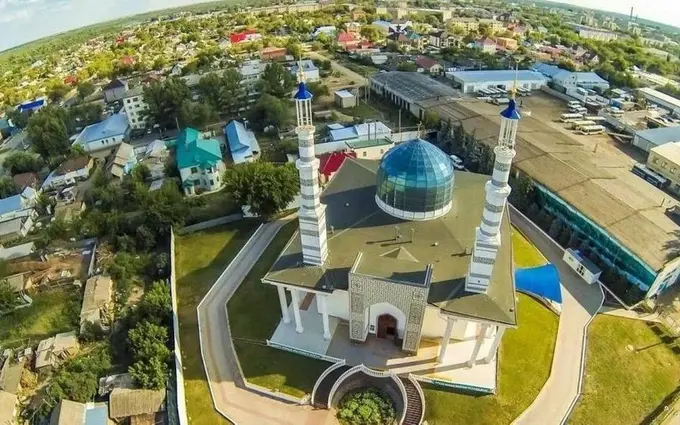
At the same time, Tokayev criticized the slow pace of infrastructure development in the regional capital, Konaev, saying the city urgently requires additional educational, administrative, cultural and sports facilities to support the broader development of the region.
The president concluded that Alatau City has the potential to become Kazakhstan's equivalent of successful international development projects such as Dubai, Shenzhen and Incheon, provided authorities maintain momentum and implement the necessary legal and infrastructure reforms without delay.