Uzbekistan has set targets for the Fergana Region, aiming to achieve 9.1% economic growth, expand industry by 9%, attract $4.5bn in foreign investment, and double exports to $2bn, while accelerating the use of artificial intelligence across key sectors.
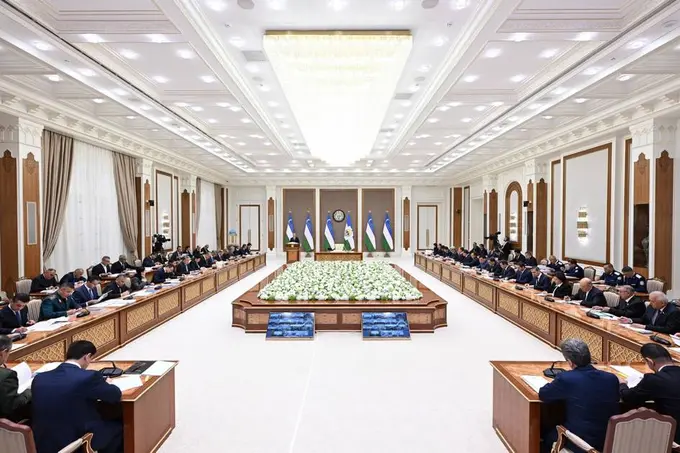
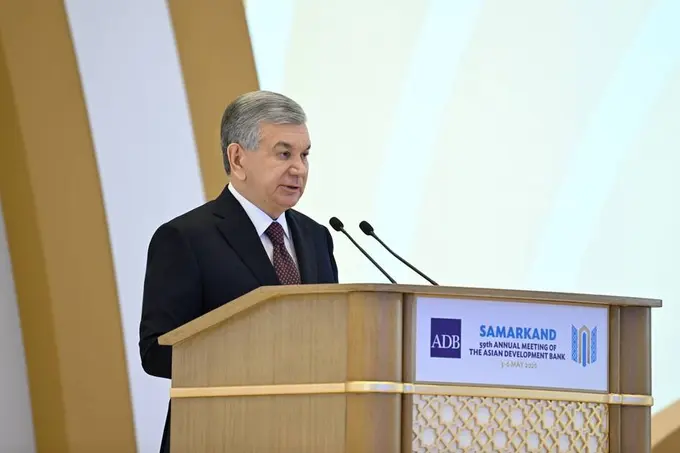
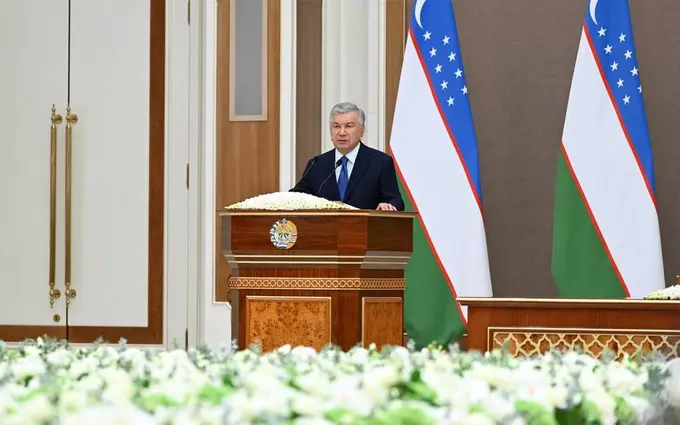
The priorities were outlined during a regional development meeting chaired by Shavkat Mirziyoyev in Fergana, where both past progress and future growth drivers were reviewed.
Over recent years, the region has attracted $8.2bn in investment, launching 8,000 modern production facilities and allocating UZS 100 trillion ($7.8bn) to support entrepreneurship. Commercial infrastructure expanded by 10mn square meters, while 13,500 small and medium enterprises were established, nearly doubling their total number.
As a result, gross regional product increased 1.7 times, industrial output rose 1.5 times, and services expanded threefold. Unemployment fell from 9.2% to 4.6%, while poverty declined from 11.6% to 5.2%, reflecting broad improvements in living standards.

Artificial intelligence and digital technologies are expected to become central drivers of future growth. Regional authorities were instructed to use AI to analyze local economic potential and design projects that increase employment, value creation, and productivity.
For example, AI-based analysis of Yozyovon District identified logistics as a priority sector. A 35 km stretch of the A-373 highway passing through the district handles up to 30,000 vehicles daily, creating opportunities to develop logistics centers, warehouses, and roadside services capable of generating an additional UZS 1 trillion ($80mn) in economic turnover.
Fergana already leads in digital skills development, with the highest number of participants in the national AI training initiative. Authorities were instructed to expand digital public services and improve convenience for citizens and businesses through automation and data-driven governance.
The IT sector has grown rapidly, with services increasing fourfold and exports exceeding $23mn. Plans include launching training programs in programming, robotics, graphic design, and foreign languages across 16 districts, as well as opening new higher education programs in artificial intelligence, cybersecurity, and software engineering.

E-commerce development was highlighted as another priority. The region will establish at least 100,000 square meters of warehouse space, including 30,000 square meters to be operational this year, while entrepreneurs in 126 specialized mahallas will be trained to use digital trade platforms.
Agriculture remains a key pillar of the regional economy. Fergana has 370,000 hectares of irrigated land, including 55,000 hectares of orchards and vineyards, though 5,500 hectares require renewal and 6,000 hectares of land remain underutilized. These reserves could generate an additional 300,000 tons of produce and UZS 2 trillion ($160mn) in added value.
A large-scale agricultural transformation program will convert 50,000 hectares of low-yield land into intensive orchards. This year alone, production targets include 611,000 tons of fruit, 252,000 tons of grapes, 1.8mn tons of vegetables, and 119,000 tons of rice, with exports expected to increase by 25% to $500mn.

The successful model of Quva Agrostar was highlighted as a scalable approach, combining farmer cooperation, training, processing, and export support into a single integrated system.
Industrial development will focus on more efficient use of 1,077 hectares allocated for industrial zones, with a benchmark of producing at least UZS 50bn ($4mn) in output per hectare annually. Projects worth $5bn are expected to be launched within these zones.
New initiatives include the creation of a free trade zone in Beshariq district and the construction of a $70mn commercial complex in Kokand.
Tourism was identified as a major growth opportunity. The region welcomed over 500,000 foreign tourists and 3mn domestic visitors, generating $185mn in export revenue. Authorities aim to increase foreign tourist flows by 2–3 times.

Development plans include specializing Kokand and Margilan in pilgrimage tourism, while districts such as Sokh District, Quva, and Beshariq will focus on eco and medical tourism.
Major projects include the “Shohimardon–Yordon” international resort zone, agro-tourism clusters, and new recreational complexes. By the end of next year, 50 tourism projects worth $300mn are expected to be launched.
In Sokh district alone, plans include developing a 130-hectare tourism complex along the Sokh river and preparing a comprehensive development master plan with international expertise.
Cultural initiatives were also emphasized. Projects include creating a digital literary platform for Kokand, establishing an arts and literature school, opening 100 local libraries, and organizing international literary festivals.
Preservation and development of traditional art forms, including askiya (art of wit - verbal folk art), will also be supported through new cultural centers and education programs.