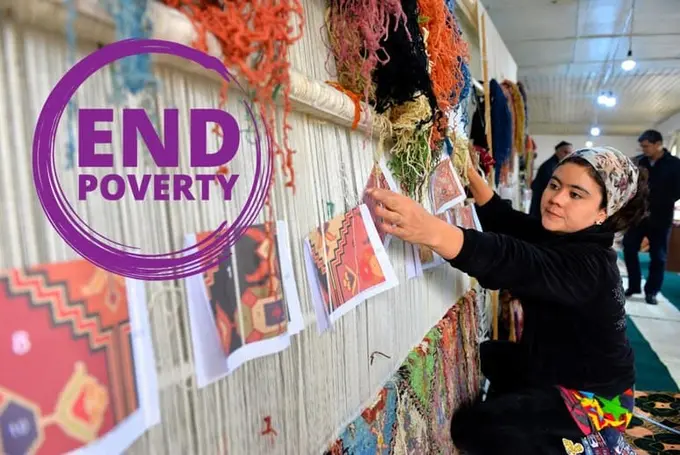
Uzbekistan has allocated UZS 314 trillion ($26.6bn) to entrepreneurship projects in mahallas (neighborhoods) over the past three years, but President Shavkat Mirziyoyev has highlighted major differences in how effectively districts are using the funds to reduce poverty.
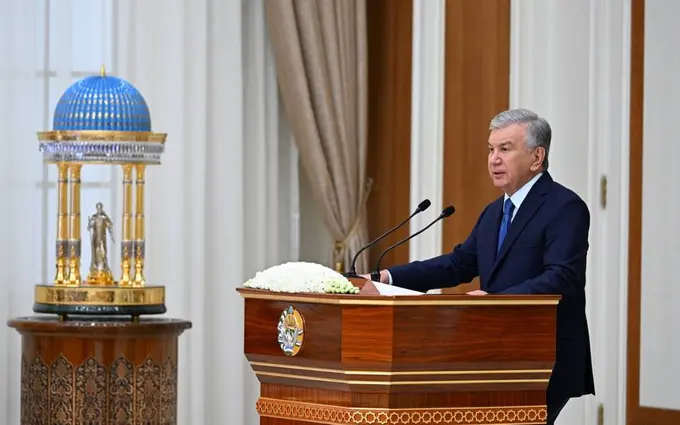
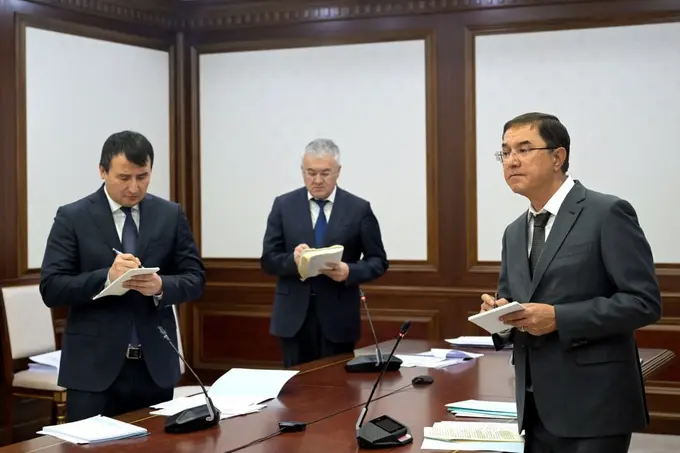
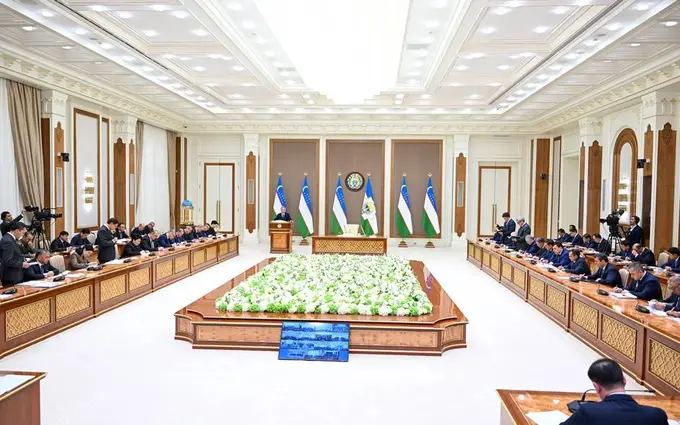
The issue was discussed at a meeting chaired by Mirziyoyev on taking efforts to reduce poverty and increase household incomes to a new stage. At the beginning of the year, Uzbekistan’s poverty rate had fallen to 5.8%, with around 2.2mn people classified as being in need. That number has since declined to 1.5mn, according to the meeting.
However, the president stressed that the results of measures and credit resources allocated to reduce poverty are not uniform across the country. During the meeting, the effectiveness of allocated credit resources was compared across districts. Sharof Rashidov and Karshi districts, for example, each received UZS 2.3tn ($194.9mn) in credit resources.
In Sharof Rashidov district, the funds helped 30,000 people move out of poverty, with an average of UZS 78mn ($6,610) allocated per person. In Qarshi district, conditions improved for 13,000 people in need, with an average of UZS 176mn ($14,915) spent per person.
A similar difference was recorded between Qamashi and Piskent districts, which each received UZS 1.1 trillion ($93.2mn) in credit resources. While 28,000 people were lifted out of poverty in Kamashi, the figure was only 4,500 in Piskent. The meeting noted that similar disparities were observed in Guzor, Nishon, Muborak, Yangikurgan, Toylok, Boysun, Oltinsoy, Bandikhon, Besharik and Fergana districts, as well as in Nurafshon, Bekobod and Yangiyol cities.
In Piskent, around UZS 250mn ($21,186) in credit was reportedly being spent to lift each person out of poverty. The meeting noted that the same amount of funding could instead be used in other regions to create a permanent, high-income job in industry.
Mirziyoyev criticized the uneven impact of poverty-reduction lending despite the substantial resources allocated to mahalla entrepreneurship projects.
“Over the past three years, UZS 314 trillion in resources have been allocated to entrepreneurship projects in mahallas. But the impact of loans on reducing poverty is not being felt equally in all districts,” Mirziyoyev stressed.
The president highlighted that all regions had been given the same powers, resources and opportunities, but said they needed to use them more effectively. Officials reported that 49 districts and 3,429 mahallas were becoming areas free from unemployment and poverty, while the performance of officials in the remaining 159 districts and cities and 5,536 mahallas was criticized as insufficient.
The meeting also examined shortcomings in the “Mahalla Seven” system, including a lack of clear instructions for local employees on implementing decisions and reluctance among some officials to take responsibility for poverty and unemployment outcomes.