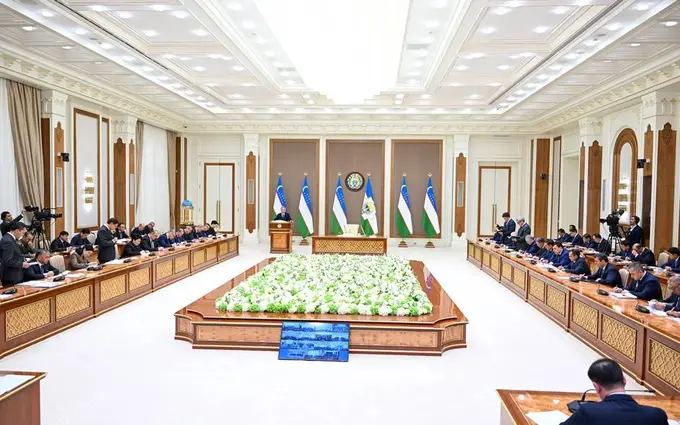
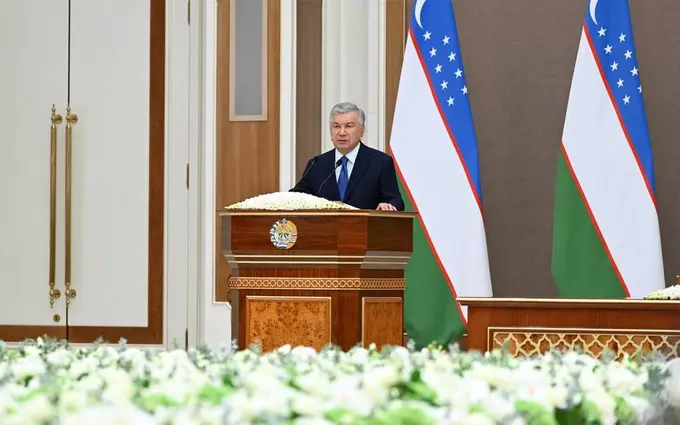
Uzbekistan is reshaping the way it tackles poverty. Its comprehensive reform agenda combining economic liberalization with stronger social protection is drawing international attention. The London Post recently published an article highlighting the effectiveness of these reforms and their impact on reducing poverty across the country.
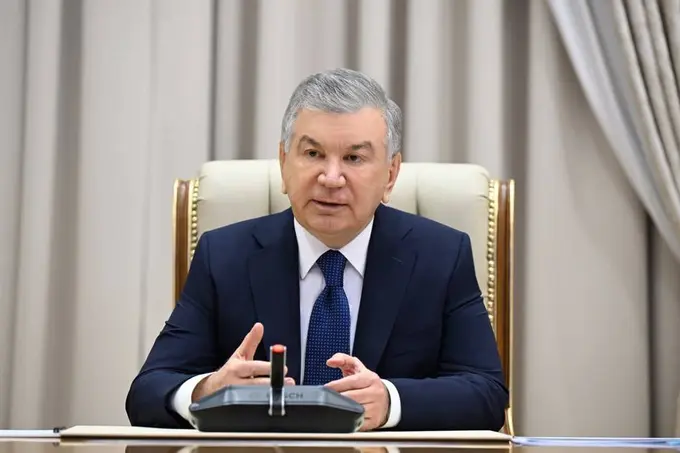
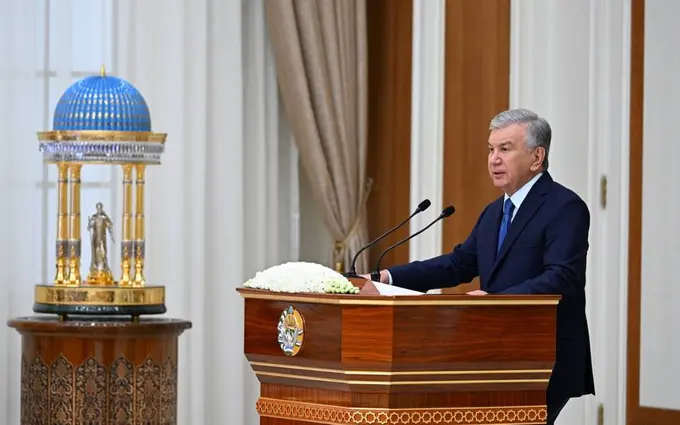
Since 2017, President Shavkat Mirziyoyev’s administration has placed inclusive growth and social welfare at the heart of national policy. These principles are now firmly rooted in the 2023 Constitution, which defines Uzbekistan as a “social state” responsible for ensuring citizens’ well-being.
Under the Uzbekistan–2030 strategy, the government has set an ambitious goal of halving poverty by 2026. To achieve this, it is developing a modern social protection system built on targeted assistance, digital management tools, and active community engagement. What was once a fragmented welfare network has evolved into a coordinated, data-driven model reaching millions of families across the country.
Expanding Access and Modernizing Support
A key milestone in these reforms was the establishment of the National Agency for Social Protection (NASP) and Inson service centers across the country. These one-stop offices simplify access to benefits, pensions, and services for millions of citizens. By 2023, about 2.3mn low-income families were receiving assistance. four times more than in 2017.

The government has also raised pensions and disability benefits, increasing them in real terms by about 1.5 times since the start of the reforms. Meanwhile, a new digital registry tracks individuals requiring continuous care including the elderly and people with disabilities allowing officials to tailor aid and review each case quarterly.
This integrated approach marks a shift from fragmented welfare schemes toward a unified, citizen-centered social protection model.
International organizations have played a major role in supporting these initiatives. The World Bank has provided around $2.1bn through policy-based loans between 2018 and 2021 to back structural reforms in jobs, governance, and social policy.
In 2024, it approved a further $100mn “INSON” project to expand community-based social care, establishing over 50 service centers and reaching 50,000 vulnerable people, including older citizens and persons with disabilities.
From Poverty to Prosperity
In November 2024, Uzbekistan launched the “From Poverty to Prosperity” program, which focuses on seven key areas:
- stable employment and higher income;
- access to education and vocational training;
- guaranteed state healthcare;
- improved social services;
- better housing conditions;
- community infrastructure development;
- and regular engagement with public representatives.
So far, over 600,000 families have received access to 1.3mn services supporting income and employment. Members of these households have also benefited from 2.2mn healthcare services, strengthening their capacity to remain active in the labor market.

Expanding Sector Involvement and Tracking Poverty Reduction
A new model of service delivery through private providers has also emerged. Currently, about 13,800 people or 76% of all those requiring care receive home assistance, rehabilitation, and personal support from non-state organizations.
By 2030, Uzbekistan aims to provide social services to at least 3mn citizens annually, with 30% of them delivered through the private sector, in line with the principles of the social and solidarity economy.
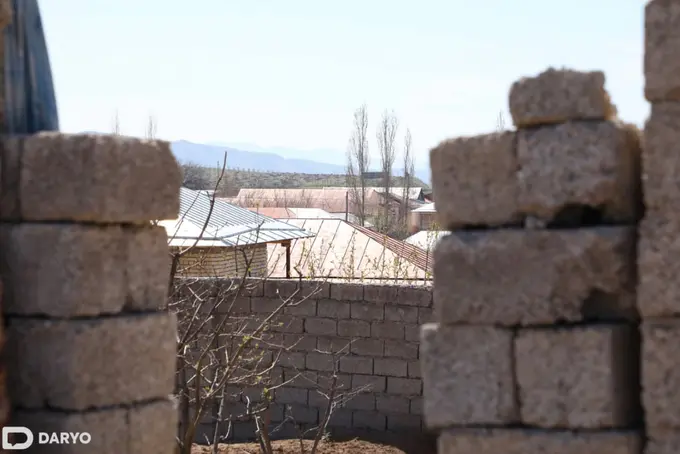
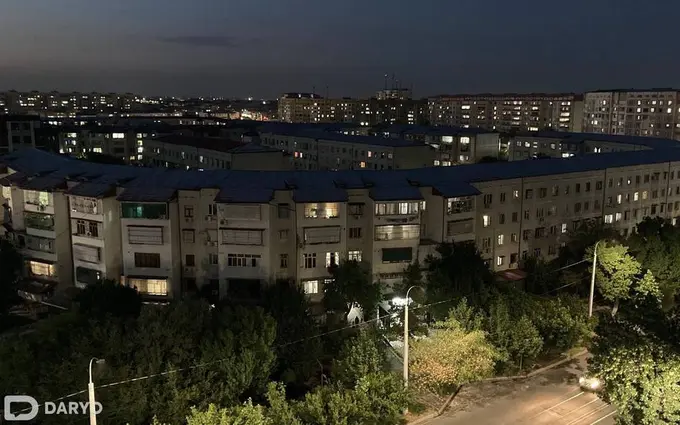
The “From Poverty to Prosperity” program has established a National Registry of Poor Families, enabling local communities (mahallas) to identify and monitor households in need. As of today, 667,000 families, or roughly 2.8mn people, are registered.
In the first nine months of 2025 alone, the average per capita income among registered families nearly doubled from UZS 174,000 ($14) to UZS 338,000 ($27) per month. Around 73,000 families that previously had no income now earn official wages, while 150,000 families have successfully escaped poverty, 70% of them through formal employment.
Building Sustainability Through the “Care Economy”
To ensure effective targeting, families are classified into three groups:
- Red: households with persons with disabilities or single-parent families;
- Yellow: households with employable members but lacking stable income;
- Green: families that have exited poverty but remain vulnerable.
This classification system enables tailored interventions — social care for “red” families, employment programs for “yellow,” and preventive measures for “green.”
At the same time, Uzbekistan is investing in the “care economy.” Initiatives such as daycare services for children with disabilities and the “Step into an Active Life” program for older persons help family members rejoin the labor force, turning caregiving into a supported and economically active role.
Investing in the Next Generation
The government also prioritizes children from low-income families. Up to 90% of education and development costs for these children are now subsidized. In 2025, 125,000 children from poor households gained preferential access to preschools, helping to build long-term human capital and reduce intergenerational poverty.
For many, these programs have provided not just financial assistance but also renewed hope.
“When support arrived under the president’s decision, I cannot express how happy I was,” Olima Almatova Qorabekovna, a resident of Buka district in Tashkent region, shared. “They came and extended a helping hand. We planted cucumbers and tomatoes, and soon money began to come in. We have already earned income three times. For those who are struggling and in need, such help gives strength, brings joy, and inspires them to move forward.”
Uzbekistan’s evolving social protection system demonstrates a clear shift from one-time assistance toward long-term empowerment. By combining poverty reduction with employment, education, and healthcare initiatives, the country is laying the foundations for sustainable and inclusive growth.
The National Agency for Social Protection’s model, rooted in accessibility, effectiveness, and sustainability represents a new phase in Uzbekistan’s development journey: one where every citizen has the opportunity to prosper.