Passenger traffic on high-speed rail services in Uzbekistan is projected to more than double by 2030, as per to the draft of the updated Uzbekistan-2030 Strategy that has been released for public discussion.
The document outlines a gradual increase in the number of passengers using high-speed trains over the coming years. In 2026, high-speed rail services are expected to carry 1.5mn passengers. This figure is projected to exceed 2mn in 2027, rise to 2.5mn in 2028, and reach 2.75mn in 2029. By 2030, passenger traffic on high-speed trains is planned to reach 3.25mn, representing a 2.16-fold increase over a five-year period.
The updated targets differ from those set out in the original version of the Uzbekistan-2030 Strategy, which was approved in September 2023. That earlier document aimed for a 2.5-fold increase in high-speed rail passenger traffic by the end of the decade.
The data from the National Statistics Committee shows that Afrosiyob high-speed trains (Talgo 250) carried 1.47mn passengers by the end of 2023. This accounted for 15.2% of total rail passenger traffic in the country.
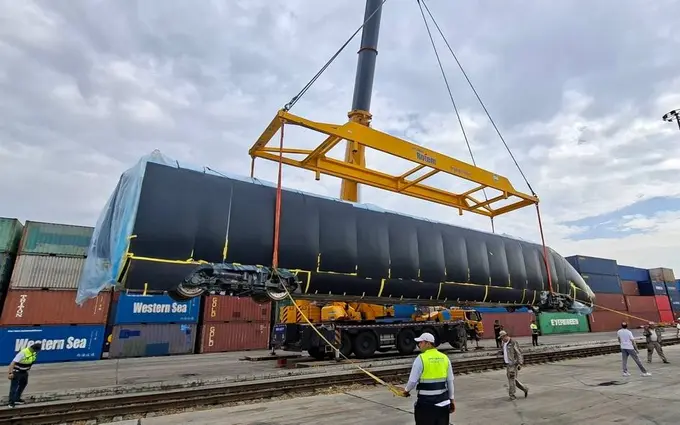
To support the planned growth in passenger volumes, Uzbekistan Railways is expanding its high-speed rolling stock. The company has reached an agreement with South Korea’s Hyundai Rotem to purchase six high-speed electric trains. The first batch was shipped to Uzbekistan in December 2025, and the new trains are expected to begin operating on the Tashkent–Khiva route after March 2026. Delivery of the remaining five trains, comprising a total of 35 railcars, is scheduled to be completed by 2027.
In addition, Uzbekistan Railways has previously signed an €80mn contract with the Spanish manufacturer Talgo, further contributing to the modernization and expansion of the country’s high-speed rail fleet.