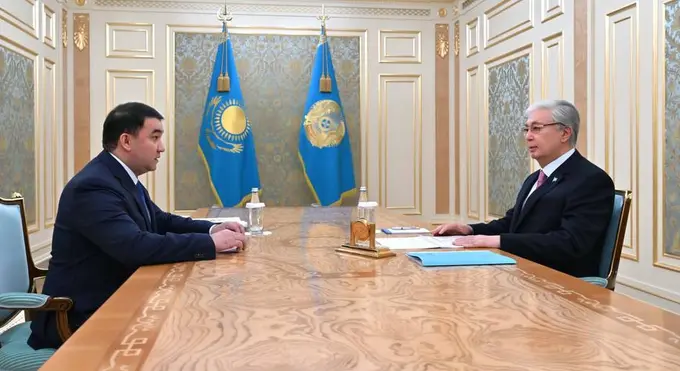
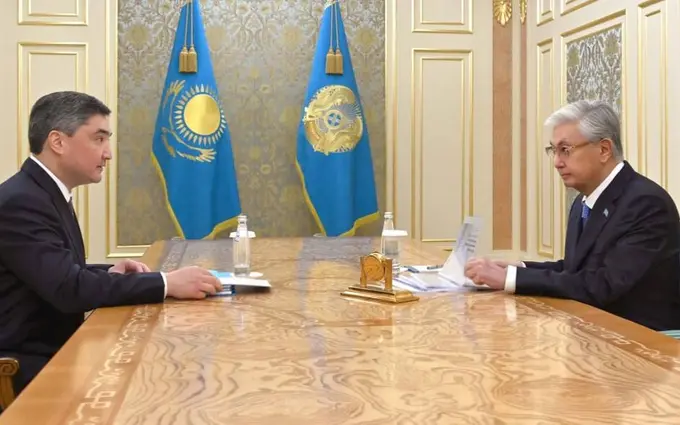
Kazakhstan is launching a major economic and governance reset, with President Kassym-Jomart Tokayev ordering tighter inflation control, accelerated digitalisation powered by artificial intelligence, and a new investment cycle aimed at raising real household incomes during an enlarged government meeting on February 10.
Tokayev stressed that economic growth must shift from headline figures to tangible income gains, warning that global slowdown, protectionism, and falling investment flows demand faster and more decisive action. Despite external pressures, Kazakhstan’s GDP grew 6.5% last year, but the president stressed that growth must now be tied directly to productivity and living standards.
Among the immediate priorities, Tokayev instructed the government and National Bank to reverse inflation trends within three years, fully implement the new Tax Code, and complete the digital transformation of tax and customs administration by 2027. He said artificial intelligence should become the core of economic policy, not a supporting tool, driving productivity, export-oriented industries, and high value-added production.
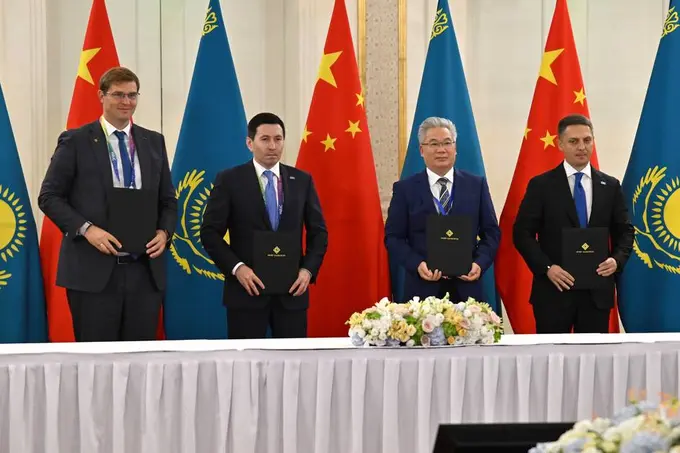
Tokayev also announced a renewed push to attract private and foreign investment, citing over $84bn in accumulated FDI since 2022, while acknowledging that inflows remain below potential. Strategic sectors highlighted included energy, transport, rare earth metals, digital infrastructure, agriculture, and manufacturing. He warned against excessive bureaucracy and delays in implementing signed investment agreements.
The president criticised inefficient public spending and instructed ministries to move away from “budget absorption” practices toward results-based investment, with stricter accountability for regional and sectoral projects. Digital tools, including the digital tenge, will be expanded to improve transparency in public finance and social support.
Against this backdrop, Tokayev said Kazakhstan is also moving toward a new Constitution, reflecting the depth of ongoing reforms. The draft Basic Law proposes a shift to a more balanced political system with a stronger Parliament, clearer checks and balances, and expanded protection of citizens’ rights. The final decision will be taken through a national referendum.
Tokayev concluded that Kazakhstan has entered a decisive phase, where economic modernization, digital governance, and political reform must advance together. He urged officials to focus on measurable outcomes, warning that imitation of activity and delayed decisions would no longer be tolerated.
Earlier reports have dismissed speculation about constitutional changes enabling re-election, with authorities reiterating that Kazakhstan’s Constitution limits the presidency to a single seven-year term. A draft constitution released for public discussion maintains this cap while tightening eligibility requirements for the presidency.
Separately, President Kassym-Jomart Tokayev has proposed restoring the vice president position—abolished over 30 years ago—as part of broader political reforms outlined at the V National Kurultai. The vice president would be appointed by the president and tasked with representing the head of state at home and abroad, as well as carrying out delegated duties.