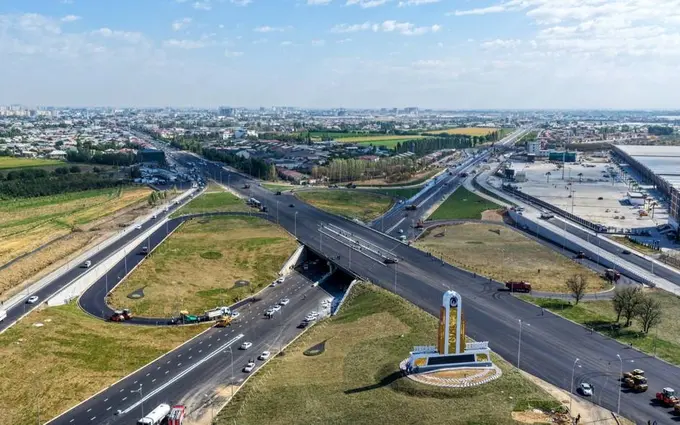
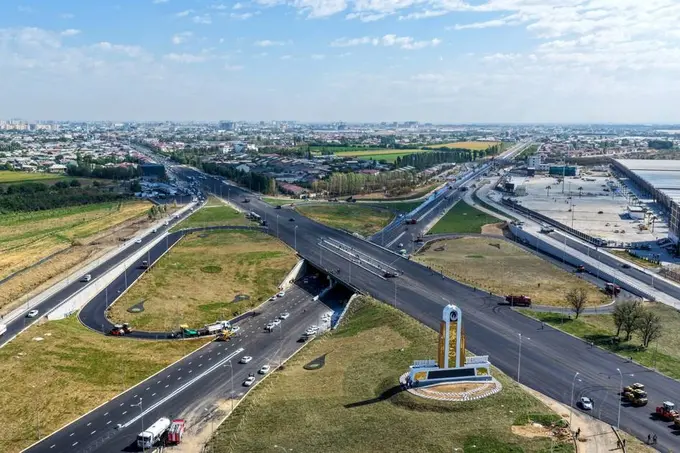
Cities at Tashkent’s level of urban development typically lose 30–40 hours per resident each year to congestion once private cars become dominant, according to Boston Consulting Group’s City Mobility Compass study, which analyzed transport systems in 150 cities worldwide.
BCG’s research places cities like Tashkent at a critical stage: they are not yet fully car-dependent, but are already 10–15 percentage points behind where they need to be to meet sustainable mobility targets for 2035. The study warns that once car use becomes the primary mode of travel, reversing the trend is slow, expensive, and often politically difficult.
Global data show that cities dominated by private vehicles face higher congestion, greater carbon emissions, and rising economic losses, while residents spend dozens of additional hours each year stuck in traffic. Historically, even well-managed cities manage to shift transport behavior by only 3–5 percentage points per decade, underscoring how costly delayed action can be.
Despite these risks, BCG highlights a key opportunity for cities at Tashkent’s stage. Unlike heavily car-dependent metropolises, they can still improve mobility outcomes without massive infrastructure spending. Targeted measures—such as strengthening public transport reliability, expanding pedestrian and cycling networks, and supporting shared mobility services—tend to deliver faster and cheaper gains when introduced early.
The study also shows that ambition alone is not enough. While 95% of global cities have set goals to move trips toward public transport, walking, and cycling by 2035, most are already falling behind. City leaders frequently struggle to identify which policies deliver the greatest impact, and public resistance often slows reforms when residents are not meaningfully involved in planning.
For Tashkent, BCG’s findings suggest that a data-driven and coordinated approach could help avoid a high-cost mobility future. Prioritizing people over cars in street design, integrating transport planning with land use, and using digital tools to model traffic and investment outcomes could reduce congestion, improve air quality, and enhance urban livability without locking the city into car dependency.
As urbanization accelerates, the choices facing Tashkent mirror those confronting cities worldwide: act early and shape a balanced, efficient transport system—or face higher economic, environmental, and social costs as private car use becomes harder to reverse.
Earlier reports indicate that Tashkent’s authorities are developing a package of traffic management measures aimed at easing congestion and strengthening public transport. These include plans to expand bus routes around the Paxtakor transport hub, redesign traffic flows at key intersections, update road markings, and assess the introduction of one-way streets and additional parking capacity. Final decisions are expected after the completion of technical reviews.