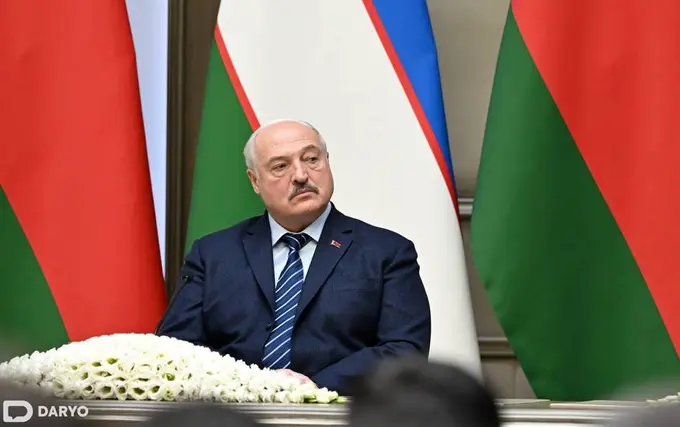
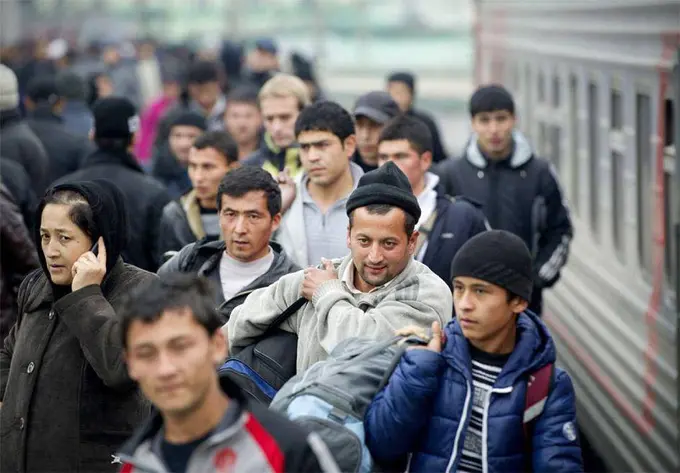
In recent years, the flow of Uzbek migrants to European countries has increased fourfold, prompting the government to strengthen protections and streamline migration services. On November 18, President Shavkat Mirziyoyev was briefed on the development of the country’s labor migration system and efforts to align processes with international standards.
Officials highlighted that reforms in recent years have diversified the labor market, allowing citizens to access higher-paying jobs abroad. Despite a decrease in the number of Uzbeks working overseas compared to 2016, remittances rose from $3.8bn to $15.8bn in the first ten months of 2025.
The presentation noted high demand for skilled specialists in the global labor market, with orders for 140,000 workers. Additional efforts are required to train citizens in professional and language skills. Authorities also acknowledged that fragmented migration services create challenges for those seeking work abroad.
To address this, Uzbekistan plans to streamline services under a “single window” principle. A Center for Preparation for Work Abroad will open in Uchtepa district, Tashkent, and a single center for migration services will be established in Termez. German and Japanese language schools will also be launched in Yashnabad district in cooperation with international companies.

Officials emphasized the importance of strengthening legal protections for citizens working in Europe, noting that agreements on labor migration with some countries are still absent.
President Mirziyoyev instructed authorities to accelerate the development of intergovernmental labor agreements and expand Uzbekistan’s international representation. Plans include increasing attaches for labor migration issues, opening additional agency offices abroad, and launching mobile visa centers across regional areas.
Digitization of migration services is also underway. The Horijda Ish platform offers 25 online services, which have been used by 524,000 citizens this year. Authorities plan to integrate artificial intelligence, biometric identification, real-time monitoring of vacancies abroad, and remote consulting services. A situation center at the Migration Agency will provide round-the-clock support to citizens.
The briefing also addressed illegal migration and fraud in consulting services. Proposed measures include installing interactive kiosks at international airports, raising fines for unlicensed consulting organizations, and studying criminal liability for organizing illegal migration.
President Mirziyoyev approved the proposals and instructed officials to further improve the convenience, safety, and transparency of labor migration processes.