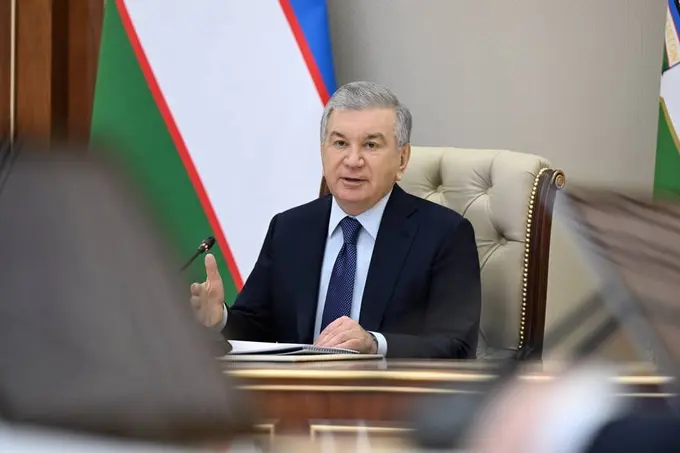
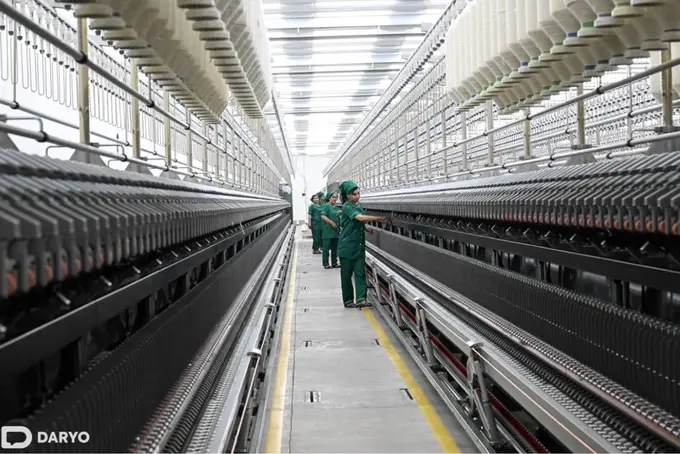
President Shavkat Mirziyoyev signed a decree, aiming to support domestic textile enterprises in foreign markets and increasing their integration into global supply chains, as per to the ministry of justice of Uzbekistan.
Under the decree, textile enterprises will be classified into three categories—“green,” “yellow,” and “red”—based on their financial and economic performance. Tailored support measures will be developed for each category to improve operational stability and competitiveness.
The document provides expanded access to financing for textile companies. Banks will be authorized to issue loans of up to $2mn using funds from the Agency for the Development of Light Industry. These loans may be secured by raw materials produced or purchased by the enterprises. Companies with overdue debts that are considered viable for rehabilitation will be eligible for extensions of up to seven years on their existing loans.
Additional repayment flexibility is included for loans related to cotton purchases in 2026–2027. In particular, payments due in January and February may be repaid in equal installments over the final six months of the loan repayment period.
The decree also introduces measures to support energy self-sufficiency. Textile enterprises installing solar panels with a total capacity of up to 5 MW will be permitted to sell surplus electricity exceeding their own consumption. Authorities have been instructed to establish a dedicated system for organizing such sales.
Tax incentives are another key component of the decree. Cotton harvesting centers will receive a 50% reduction in property and land tax rates, reflecting the seasonal nature of their operations. These reduced rates will remain in effect until January 1, 2028.
The sale of property owned by textile, garment, and knitwear enterprises by banks to investors will be exempt from value-added tax until the beginning of 2029. Investors acquiring production facilities will also benefit from a 50% reduction in property tax for the first year following the transaction, provided the enterprise becomes fully operational within six months.
In addition, the decree extends existing tax incentives—covering profit tax, property tax, land tax, and turnover tax—for tanneries and leather processing enterprises, continuing state support for related segments of the light industry.