Uzbekistan’s industrial output reached UZS 85.1 trillion ($6.7bn) in January 2026, marking a 7.8% increase compared to the same period last year, according to the Statistics Agency under the President of Uzbekistan.
As of February 1, 2026, a total of 60,600 industrial enterprises were operating across the country. The largest number of enterprises were engaged in food production, accounting for 12,100 companies or 20.1% of the total.
Other major sectors included the production of non-metallic mineral products with 8,400 enterprises (13.8%), apparel manufacturing with 6,100 enterprises (10%), fabricated metal products with 4,900 enterprises (8.1%), furniture manufacturing with 4,200 enterprises (6.9%), textile production with 3,700 enterprises (6.2%), and rubber and plastic product manufacturing with 2,900 enterprises (4.7%).
In terms of regional performance, the largest industrial output was recorded in Navoiy region at UZS 27.1 trillion ($2.1bn), followed by Tashkent city with UZS 13.9 trillion ($1.1bn) and Tashkent region with UZS 12.2 trillion ($959mn).
Per capita industrial production nationwide averaged UZS 22.4mn ($1,760). Higher-than-average figures were reported in Navoiy region at UZS 245.9 mn ($19,300), Tashkent city at UZS 44mn ($3,450), Tashkent region at UZS 38.9mn ($3,050), and Syrdarya region at UZS 25.7mn ($2,020).
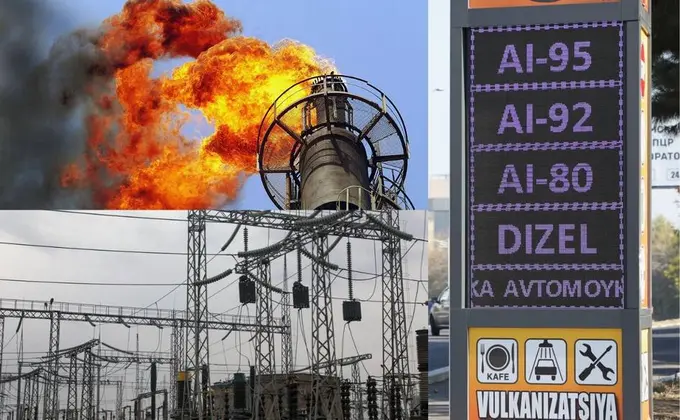
Manufacturing remained the largest component of industrial output, accounting for UZS 70.7 trillion ($5.6bn) or 83.1% of total production. Mining and quarrying contributed UZS 6.5 trillion ($511mn), while electricity, gas, steam and air conditioning supply accounted for UZS 7.4 trillion ($581mn). Water supply and waste management services made up UZS 0.5 trillion ($39mn).
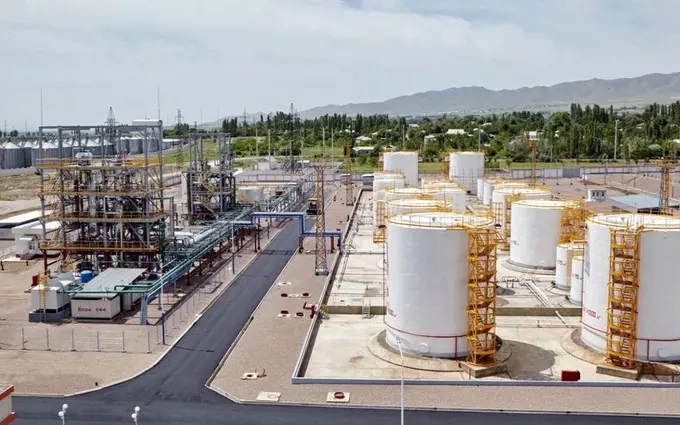
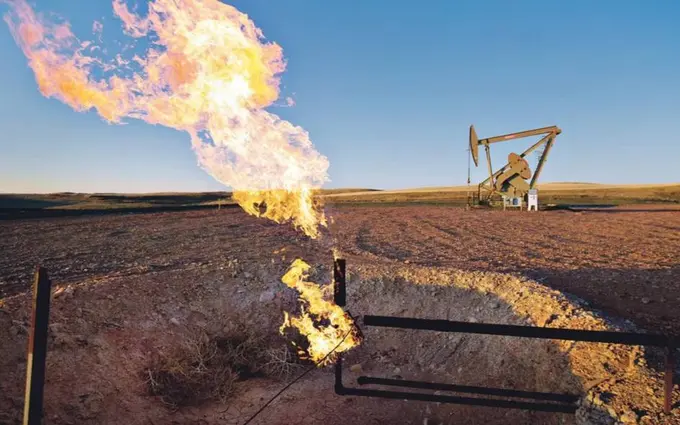
Large industrial enterprises produced 3.7bn cubic meters of natural gas, 54,100 tons of oil, 400,000 tons of coal, 110,600 tons of motor gasoline and 81,000 tons of diesel fuel during the month. Production also included 1mn tons of Portland cement, 49,600 tons of yarn and 92,000 tons of wheat flour.
In the manufacturing sector, food, beverage and tobacco production accounted for 16.2% of output, followed by textiles, apparel and leather products with 11.7%. Machinery, metal products and related industries accounted for 14.5%, while chemicals, rubber and plastic products represented 6.4%.
Electricity generation in January increased to 8.2bn kilowatt-hours, or 108% of the level recorded in the same period of the previous year. Meanwhile, thermal energy generation declined to 2,471.7 thousand gigacalories.
Industrial production data also showed rising vehicle output. Passenger car production increased to 22,099 units compared to 15,613 units a year earlier, while truck production rose to 233 units from 180 units.