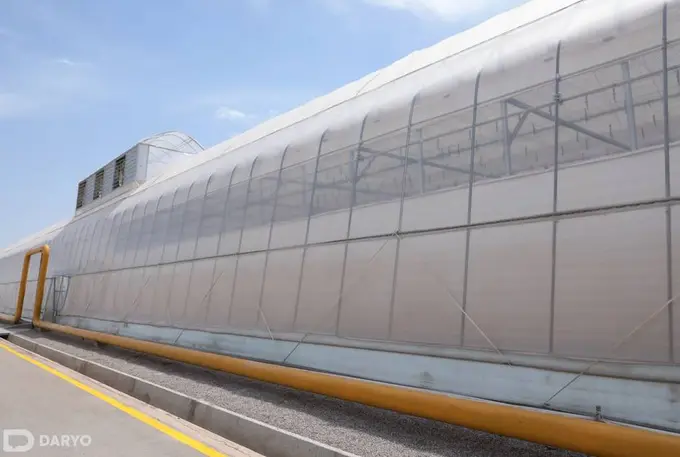
Uzbekistan will relocate greenhouses from Tashkent and surrounding areas to the “Surxon-Agro” free economic zone in Surkhandarya, aiming to reduce environmental impact and significantly lower production costs, under a government decision that came into force on April 10.
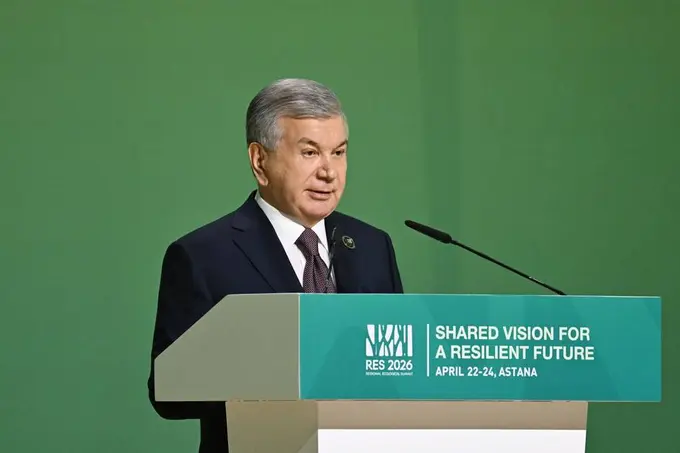
The new zone, established by Shavkat Mirziyoyev in March, is expected to host modern greenhouse complexes across at least 940 hectares in Sherobod district.
Authorities say the move targets greenhouse operations that negatively affect air quality and public health in the capital region, while also improving efficiency by relocating production to a more suitable climate.
Entrepreneurs who voluntarily relocate their greenhouse businesses to the new zone will receive financial support. Loan repayment periods for existing credits—issued by international financial institutions, state funds, and commercial banks—will be extended by up to five years, including a grace period of up to three years. Previously granted guarantees and interest compensation will remain in place.
In addition, costs related to dismantling, transporting, and reinstalling greenhouse equipment will be partially covered. Up to UZS 500,000 (about $39) per 100 square meters will be reimbursed through a national environmental fund for businesses that relocate before April 2028.
Land plots freed up after relocation will be repurposed for intensive horticulture, viticulture, seedling production, or the creation of green spaces. At the same time, construction of permanent buildings on these plots will be prohibited.
The government is also preparing additional measures to support the transition, including subsidies and a detailed master plan for the “Surxon-Agro” zone, which is expected to be completed by September 2026. Efforts are underway to attract international investors and financing to the project.
The relocation is driven by economic and environmental advantages. Surkhandarya’s climate—particularly in areas such as Termez and Sherobod—offers higher solar radiation, milder winters, and lower heating costs, making greenhouse production significantly cheaper.
Studies show that production costs in Surkhandarya can be around 2.5 times lower than in Tashkent region. For example, producing one ton of greenhouse output costs about UZS 11.9mn (around $920) in Tashkent compared to UZS 4.9mn (around $380) in Surkhandarya.
From October 1, 2026, the establishment of new greenhouses in Tashkent and nearby areas is also expected to be restricted, reinforcing the shift toward more efficient and environmentally sustainable agricultural production in southern regions.