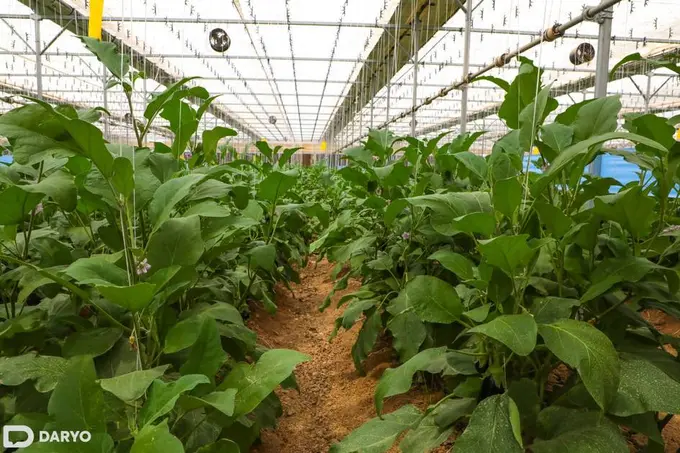
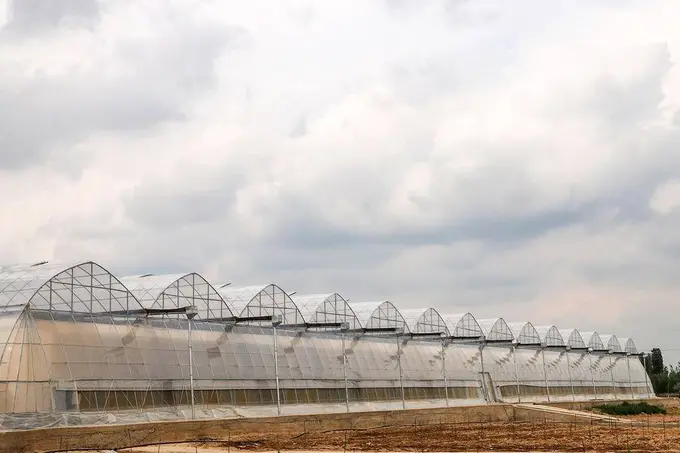
Uzbekistan will prohibit the establishment of new greenhouses using coal, mazut (residual fuel oil), and other harmful fuels in Tashkent city and surrounding districts starting June 1, 2026, as part of stricter measures to improve air quality.
The decision, approved by the government, targets areas including Yukori Chirchik, Qibray, Yangiyul, Zangiota, and Tashkent districts, where greenhouse activity has been linked to environmental and public health concerns.
From August 1, 2026, additional restrictions will apply to existing greenhouse operations. Natural gas supply to greenhouses will be fully discontinued, and existing contracts will be terminated. Water usage costs will also increase significantly, with greenhouse operators required to pay rates set at five times the highest industrial tariffs.
Environmental penalties are set to rise sharply. Businesses using polluting materials such as coal, tires, bitumen, mazut, plastic, rubber, and similar substances as fuel will face compensation payments increased by 20 times. Environmental compliance approvals will also be reviewed, with violations potentially leading to suspension of previously issued permits.
At the same time, access to state support for greenhouse businesses will be restricted. Subsidies, financial aid, credit lines, and preferential programs will no longer be available for greenhouse projects that fail to meet environmental standards. Authorities will also limit financing and revise lending conditions for such activities.
Further fiscal measures are under preparation. By September 2026, the government plans to introduce legislation increasing land and property tax rates for greenhouse facilities in the affected areas by up to 10 times compared to base rates.
Exceptions will be made for educational and research institutions, which may continue using greenhouses for scientific purposes, such as plant breeding and adaptation of crop varieties, provided environmental requirements are met.
The policy forms part of a broader strategy to reduce pollution in the capital region. Greenhouses deemed harmful to the environment are expected to be relocated to the “Surkhon-Agro” free economic zone in Surkhandarya, where more favorable climatic conditions allow for lower energy use and reduced environmental impact.