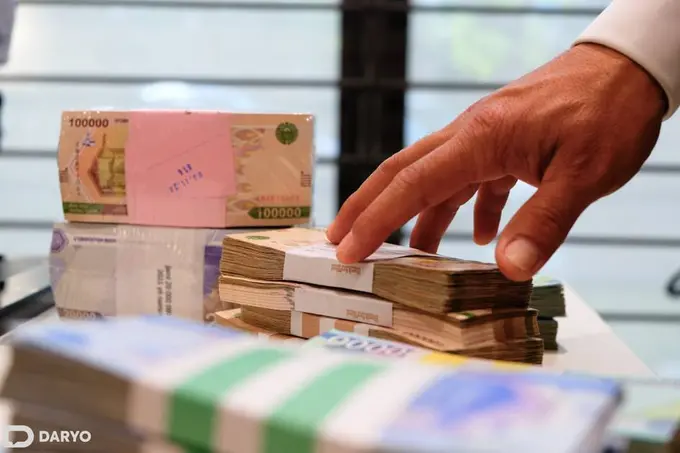
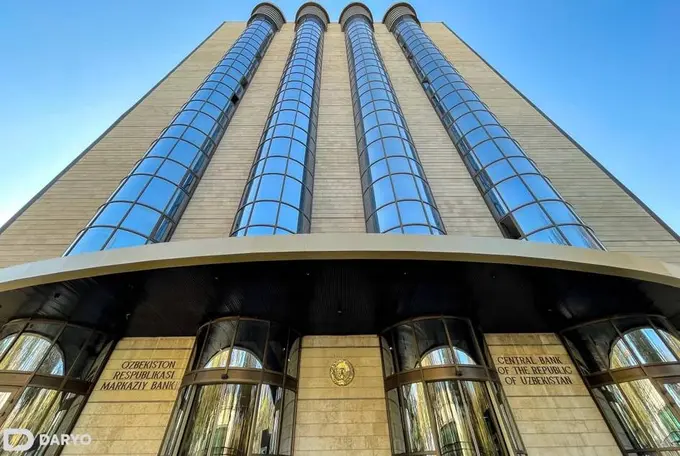
Uzbekistan’s national currency strengthened by 6.9% against the US dollar in 2025, a development that was positively received by much of the population, according to Central Bank Deputy Chairman Nodirbek Achilov.
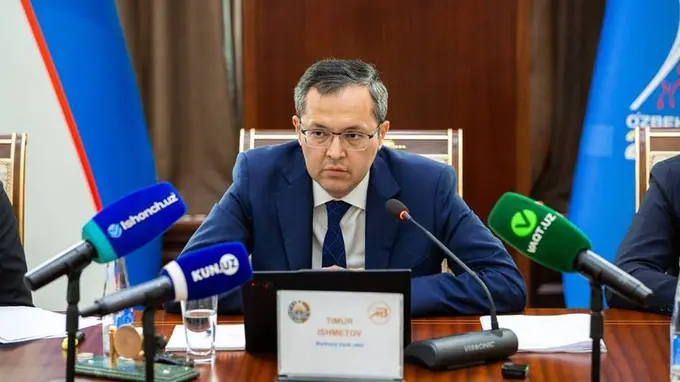
Speaking at a February 27 meeting with exporters in Tashkent, Achilov said the appreciation of the soum sparked debate but was welcomed by citizens whose incomes are in national currency while obligations — such as rent or loans — are often denominated in dollars. Pensioners, teachers and other groups earning in soum “expressed gratitude,” he noted, adding that for decades the exchange rate had followed a predominantly upward trajectory and that currency strengthening should not be seen as abnormal.
According to the Central Bank official, the stronger soum did not produce systemic negative effects on exporters. While nominal revenues in soum terms may have declined for some businesses, a comparison of average exchange rates in 2024 and 2025 shows a difference of only 78 soum, suggesting limited impact. At the same time, many sectors of the economy benefited from greater currency stability.
Achilov emphasized that strengthening the national currency remains one of the key policy objectives. In 2025, household and business savings in soum increased by 44%, while the overall money supply reached nearly UZS 350 trillion ($28.79bn). He noted that more liquidity is now circulating within the banking system, with higher inflows and reduced outflows compared to previous years.

From April 1, payments for housing and transactions exceeding UZS 20mn ($1,645) will be required to be conducted in non-cash form, a measure expected to further boost confidence in the national currency and expand the share of soum-denominated settlements.
The Central Bank also reported a decline in dollarization. In 2025, the share of foreign currency loans fell from 41% to 38%, while foreign currency deposits decreased from 26% to 22%, reflecting growing trust in the soum. Achilov stressed that full elimination of dollarization is neither realistic nor desirable due to the country’s trade ties, but reducing “dollar dependence” remains a strategic goal.
He added that inflation has significantly moderated compared to previous years, standing at 7.3% compared to around 20% in early 2020, creating a more stable macroeconomic environment.
Earlier, Achilov had noted that multiple factors influence the exchange rate, including fiscal policy and external borrowing, underscoring the complex dynamics shaping currency movements in Uzbekistan.