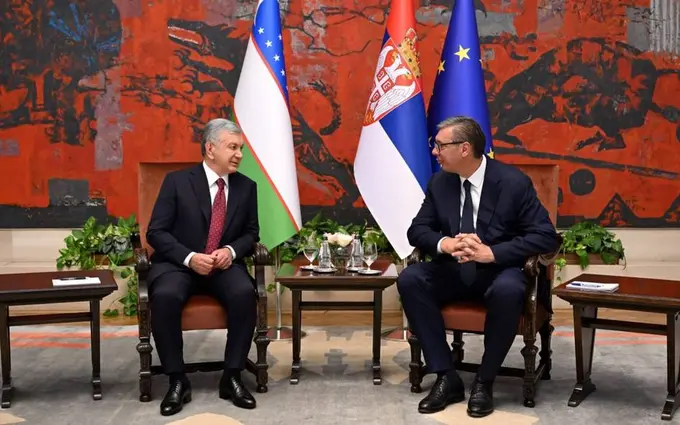
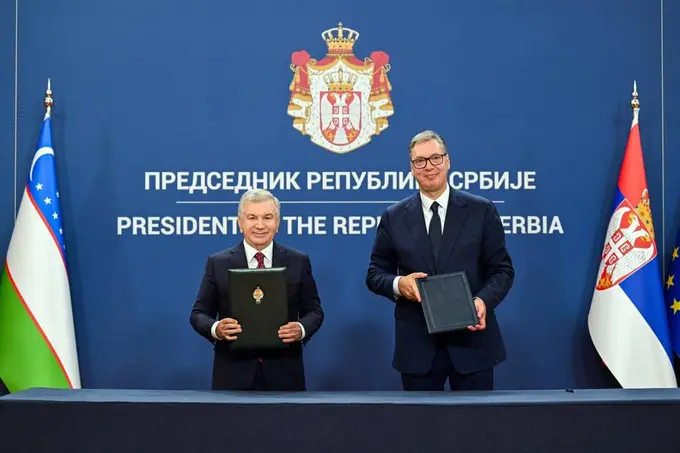
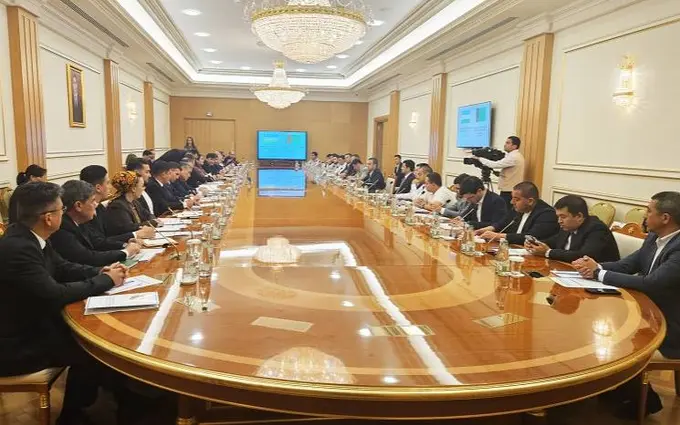
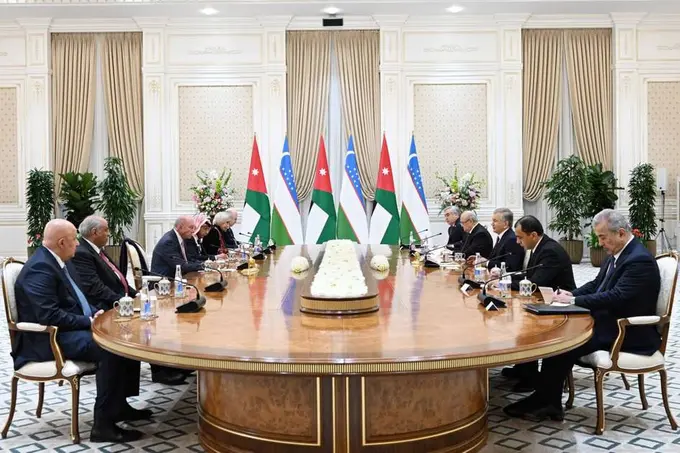
Uzbekistan and Serbia held the first meeting of their Intergovernmental Commission on Economic Cooperation in Belgrade on September 7, where the sides prepared to launch negotiations on a Free Trade Agreement and signed a Joint Action Plan for Industrial Partnership for 2026–2028.
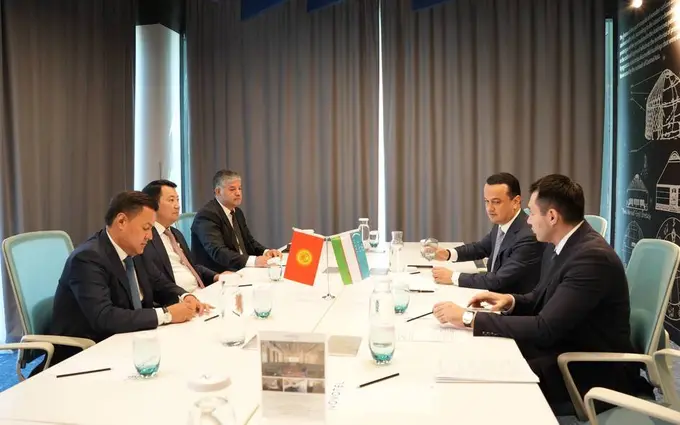
The meeting was co-chaired by Laziz Kudratov, Uzbekistan’s Minister of Investment, Industry and Trade, and Nenad Popovic, Serbia’s minister responsible for international economic relations, with representatives of relevant government agencies and regions also participating.
The sides emphasized that the upcoming first-ever visit by the President of Uzbekistan to Serbia will mark a new stage in bilateral relations. The establishment of the commission is intended to translate the political commitment of the two countries’ leadership into concrete economic cooperation.
The entry into force of agreements on economic cooperation and the mutual promotion and protection of investments was noted as providing a legal framework for expanding business ties between the two countries.
During discussions on bilateral trade, the sides noted that current trade volumes do not yet reflect the full potential of the two economies. To further liberalize trade, the parties prepared a Joint Declaration on establishing a working group to launch negotiations on a Free Trade Agreement. The proposed mechanism is expected to create more favorable conditions for the mutual supply of goods and services and support the expansion of bilateral trade.
The sides also identified opportunities to combine increased supplies with the establishment of joint production facilities. Ten enterprises with Serbian capital are currently operating in Uzbekistan, while potential areas for localization include components and pharmaceuticals, textiles, seed production, horticulture and dairy processing.
The technology agenda covered critical minerals, digital geology, artificial intelligence, 5G connectivity and export-oriented IT projects.
To facilitate freight transportation, the sides proposed introducing electronic exchange of permits and advance customs information to reduce paper-based documentation.
In the infrastructure sector, the parties discussed Uzbekistan’s potential participation in the modernization of Serbia’s railway network, including the construction of a 200-kilometer section. The newly established Uzbekistan–Serbia Business Council is expected to support joint initiatives. The sides also plan to make greater use of international exhibitions and organize joint business events to promote products and investment opportunities, identify potential partners and develop sector-specific cooperation.
One of the platforms identified for this purpose is EXPO 2027, which will be held in Belgrade. The discussions also covered joint research, academic exchanges, cultural and tourism cooperation, labour migration and social protection.
The sides supported strengthening partnership ties between Tashkent and Belgrade, Samarkand and Novi Sad, as well as between Samarkand Region and Serbia’s Autonomous Province of Vojvodina. To deepen interregional cooperation, they proposed approving a schedule of reciprocal visits for 2026–2027.
Following the meeting, Uzbekistan and Serbia signed the Joint Action Plan for the Development of Industrial Partnership for 2026–2028. The parties also agreed to hold the second meeting of the Intergovernmental Commission in Uzbekistan in 2027.