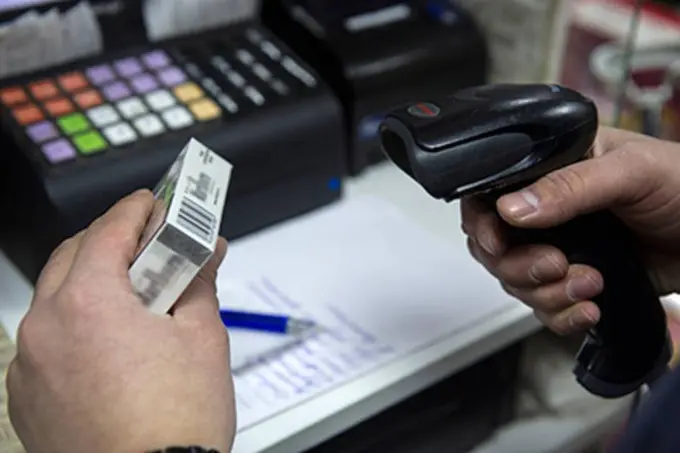
Uzbekistan’s Senate has approved a new law that will replace broad market inspections with a risk-based surveillance system focused on identifying dangerous and non-compliant products after they enter the market.
The law, titled “On Market Surveillance,” was discussed and approved during the Senate’s 18th plenary session. The legislation aims to reform Uzbekistan’s technical regulation system, improve product safety and strengthen consumer protection. It was developed in line with the World Trade Organization’s Agreement on Technical Barriers to Trade and international best practices.
Under the new framework, market surveillance will be based on the level of risk posed by products rather than broad inspections of businesses. Speaking at the session, Erkin Gadoyev, chairman of the Senate’s Committee on Budget and Economic Issues, noted that the new approach would focus on monitoring the market and identifying high-risk products, rather than imposing mass penalties on businesses.
In many cases, surveillance will be conducted without direct interference in entrepreneurial activity. If a product that does not meet mandatory technical requirements is identified, authorities will be able to remove it from circulation, recall it or restrict its use.
The law defines market surveillance as a set of measures carried out by market surveillance authorities after products have been placed on the market or entered circulation to ensure that they do not endanger human life and health, the interests of individuals, legal entities or the state, or the environment.
Customs authorities will also be given powers to temporarily suspend the release of products into free circulation if customs control and risk-management procedures provide sufficient grounds to believe that the products do not comply with mandatory requirements. The legislation also establishes liability for market surveillance authorities, their officials and businesses.
Officials conducting market surveillance may be held responsible if they fail to perform their duties, perform them improperly, or commit unlawful actions or omissions during inspections. The law additionally establishes clearer mechanisms for compensating damage caused to human life and health within the market surveillance system.
Gadoyev said the law would also protect businesses operating legally from unfair competitors importing counterfeit or low-quality products. He added that the system would give consumers greater confidence in the safety of products such as household appliances, children's toys and construction materials purchased on the Uzbek market.
The new framework is also expected to support Uzbekistan’s accession to the WTO by helping remove technical barriers to trade and improve the competitiveness of locally produced goods.
The move follows Uzbekistan’s broader reform of technical regulation. In February, President Shavkat Mirziyoyev reviewed proposals to fundamentally update the sector in line with international requirements, including a gradual shift away from traditional state control toward market surveillance.
The “On Market Surveillance” bill was subsequently discussed by lawmakers in the Legislative Chamber in April, passed its third reading on May 25 and sent to the Senate for consideration.