Uzbekistan’s government has approved new procedures for licensing activities involving nuclear energy and ionizing radiation sources, establishing updated safety, radiation monitoring, personnel and technical requirements as the country advances plans to develop its nuclear energy sector.
The Cabinet of Ministers adopted the resolution on July 30, approving regulations governing the licensing of activities involving the use of nuclear energy and the handling of ionizing radiation sources.
The new framework was developed in line with a presidential decree issued on January 9, 2024, aimed at reducing mandatory requirements for businesses and simplifying licensing and permit procedures.
The regulations will take effect on January 1, 2027. Organizations currently operating under existing licenses will be required to obtain new licenses by December 1, 2027. Licenses that are not reissued under the new framework by the deadline will cease to be valid.
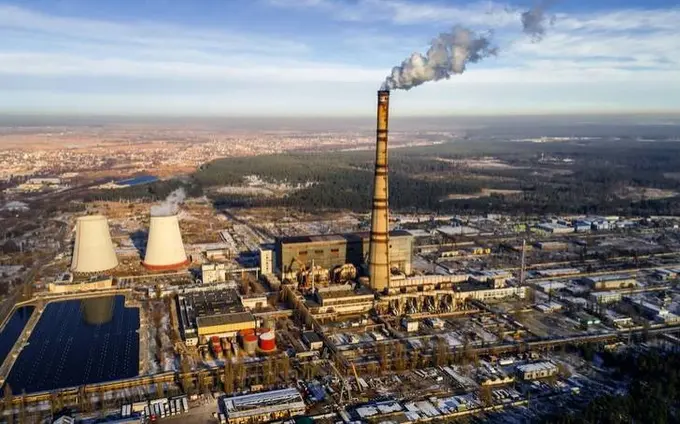
The regulations cover a broad range of nuclear- and radiation-related activities, including the operation of nuclear power plants and research nuclear facilities, as well as work involving radioactive substances and nuclear materials.
The new licensing rules also apply to the production, storage, transportation, use and disposal of ionizing radiation sources, along with other activities involving nuclear and radiation technologies.
Applicants will be required to meet mandatory standards related to nuclear and radiation safety, radiation monitoring, personnel qualifications, technical equipment and other operational requirements.
The government has tasked the Committee for Industrial, Radiation and Nuclear Safety under the Cabinet of Ministers with coordinating with relevant ministries and agencies to bring their regulatory documents into line with the new resolution.
The updated licensing framework comes as Uzbekistan continues preparations for the construction of its first nuclear power plant in the Jizzakh region.
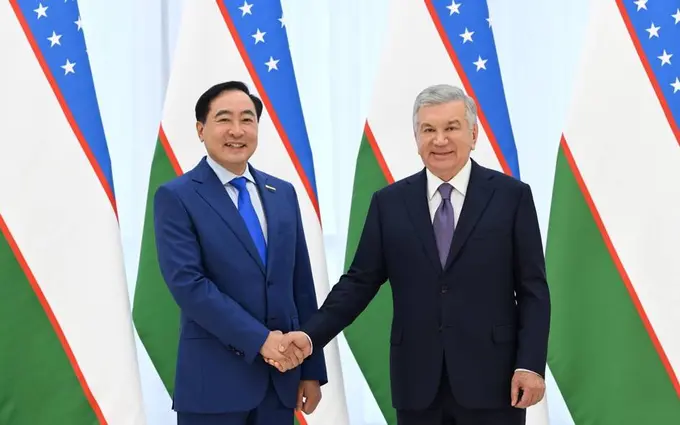
Earlier in July, delegations from Uzbekistan’s Uzatom Agency and the Directorate for the Construction of Nuclear Power Plants visited Moscow to discuss the project.
During the meetings, Uzbekistan and Russia agreed to establish a joint working group to conduct expert reviews of documentation related to the Jizzakh nuclear power plant.
The introduction of updated licensing procedures is expected to establish a more unified regulatory framework for nuclear facilities, radioactive materials and radiation-related activities as Uzbekistan expands its nuclear energy infrastructure.