Uzbekistan has modernized around 30% of its more than 1,800 high-voltage substations as part of ongoing efforts to upgrade the country's energy infrastructure, according to First Deputy Minister of Energy Umid Mamadaminov.
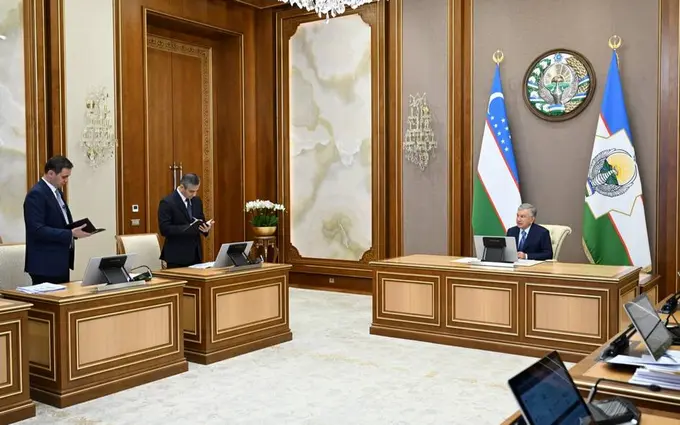
Speaking after a July 17 meeting with President Shavkat Mirziyoyev, Mamadaminov said public and business complaints remain one of the key indicators used to assess the performance of the energy sector.
According to the Ministry of Energy, more than 39,000 complaints related to the fuel and energy sector were registered during the first half of 2026, compared with more than 50,000 during the same period last year, representing a decline of approximately 26%.
Mamadaminov attributed the decrease to the commissioning of new power generation capacity, the repair and modernization of electricity transmission and distribution networks, and the implementation of energy efficiency measures.
At the same time, he noted that challenges remain in a number of regions. According to the deputy minister, some substations and transformer stations continue to operate under heavy loads, and modernization work is continuing in phases.
Uzbekistan currently operates more than 1,800 substations with capacities ranging from 35 kV to 110 kV. Approximately 30% have been modernized, while the remaining facilities are included in long-term upgrade plans financed through annual allocations from the state budget. The funding is being used to modernize existing substations and construct new ones.
More than half of all complaints in the fuel and energy sector relate to the supply of natural and liquefied gas. Mamadaminov said delayed deliveries of liquefied gas cylinders and shortcomings in the supply system remain the main issues affecting consumers.
To address these challenges, the ministry is expanding the digitalization of gas supply services and introducing a new management system aimed at reducing the number of complaints.
During the meeting, President Mirziyoyev instructed the government, regional authorities, and the "mahalla seven" to resolve systemic issues identified through citizen complaints before the start of the autumn-winter season and strengthen regional preparedness for periods of increased energy demand.
Mamadaminov also outlined the ministry's long-term priorities, stating that the energy sector is entering a new phase focused on digitalization and infrastructure modernization. Over the next four years, Uzbekistan plans to modernize approximately 5,000 kilometers of electricity transmission and distribution networks, construct new substations, and introduce automated digital control systems at these facilities.
In addition, the Ministry of Energy plans to develop a new strategy for handling public complaints, modernize call centers, and integrate artificial intelligence technologies into customer service and system management as part of its broader digital transformation strategy.