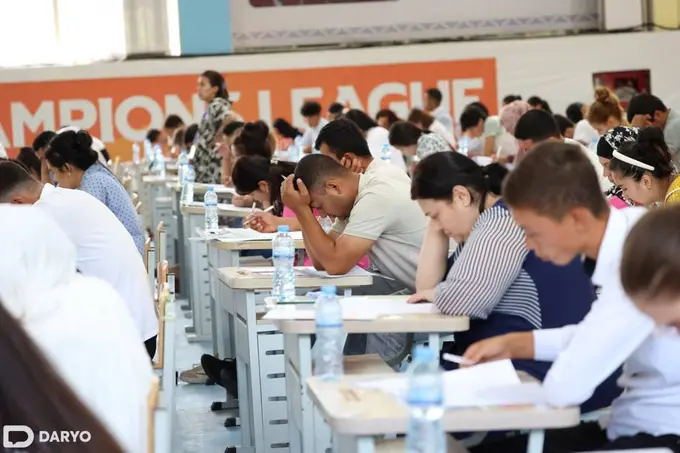
Uzbekistan is preparing a broad package of incentives to accelerate the development of private vocational education, with plans to increase the number of internationally accredited training and assessment centers from 50 to 200 and expand annual enrollment from 45,000 to 500,000 people over the next three years.
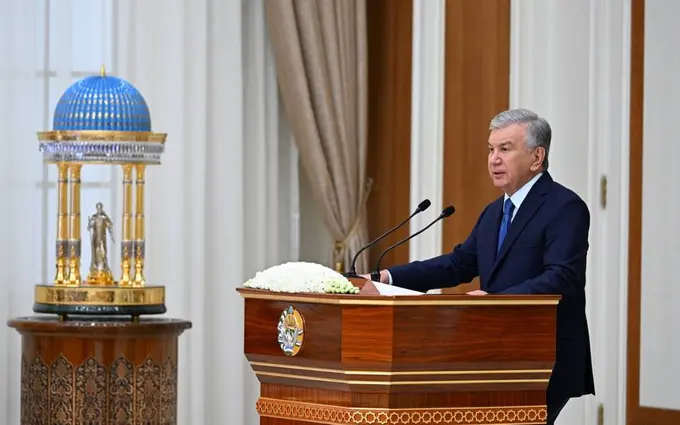
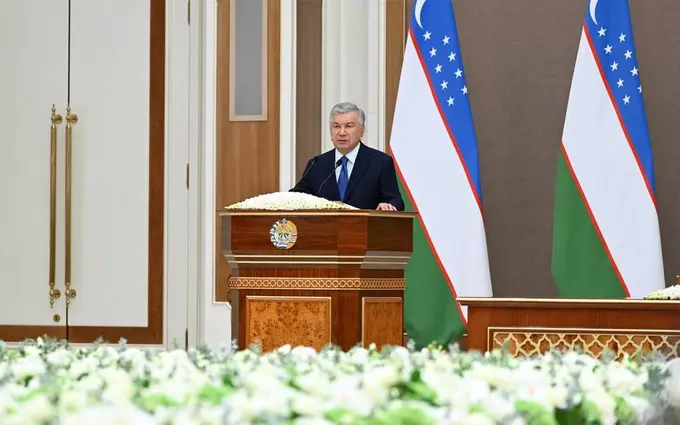
President Shavkat Mirziyoyev reviewed the proposals during a presentation on measures to strengthen private sector participation in vocational education and improve workforce training in line with labor market needs.
Authorities noted that developing modern skills and professional qualifications remains a key factor in boosting employment and incomes, while supporting the country's rapidly growing economy.
Under the proposed reforms, more than 300 training programs will be revised and aligned with international standards, while at least 1,000 teachers and vocational instructors will receive advanced training. To support these efforts, UZS 500bn ($41mn) from the Employment Fund will be allocated for program financing.

New incentives for private training providers
The presentation also addressed proposals raised by entrepreneurs during consultations with the government.
Among the measures under consideration are exemptions from customs duties for equipment and tools imported by private vocational training centers, as well as a reduced 1% social tax rate for foreign teachers, specialists and trainers.
Private providers will also be eligible for concessional loans of up to seven years with a two-year grace period. In addition, the government will reimburse 7 percentage points of interest expenses on loans used for construction, renovation and equipment purchases.
To encourage international expertise, 50% of costs related to hiring foreign specialists and qualified instructors will be compensated. The state will also reimburse 30% of expenses for professional assessment equipment and software, as well as 50% of costs associated with internationally recognized and national professional qualification certificates.
Businesses benefiting from these incentives will be required to dedicate at least 60% of constructed or leased facilities to vocational training and practical instruction.
Additional support measures include allowing entrepreneurs to pay for purchased land in interest-free installments over five years, lease vacant state-owned facilities for at least five years, and use unused technical college buildings free of charge.

Investment and innovation support
The government plans to attract $100mn by the end of this year to equip private vocational education institutions.
A $5mn venture fund will also be established to support graduate-led projects and entrepreneurship initiatives. Beginning this year, UZS 20bn ($1.6mn) will be allocated annually to finance the "Skills Voucher" program.
Officials further discussed plans to establish an association of private vocational education institutions, create a "Skills Park" ecosystem and launch a permanent digital dialogue platform to facilitate cooperation between businesses and government agencies and address sector challenges more efficiently.
Mirziyoyev approved the proposed measures and instructed officials to accelerate the development of private vocational education, align training programs with international standards and expand access to occupations that are in high demand across the labor market.