Uzbekistan has increased electricity production, expanded renewable energy generation, and modernized key infrastructure as part of a broader effort to strengthen energy security, improve reliability, and meet growing demand across the country.
The importance of a stable electricity supply extends beyond technical infrastructure. Even short-term outages can disrupt daily life and economic activity, affecting households, small businesses, public services, and industrial enterprises. Experts note that prolonged power cuts can lead to spoiled food, interrupted communications, suspended business operations, and production losses across multiple sectors.
Reliable electricity is particularly important for industries such as metallurgy, textiles, cement, and chemicals, where interruptions can halt production lines, damage materials, and delay deliveries. In countries facing chronic electricity shortages, businesses and households often rely on generators, adding to operating and living costs.
Uzbekistan's energy system faced significant challenges a decade ago as aging infrastructure struggled to keep pace with growing demand and changing climate conditions. Power outages and supply disruptions became a recurring concern in some areas, highlighting the need for large-scale modernization and investment.

Over the past eight to nine years, the government has shifted its focus from repairing existing facilities to expanding and rebuilding the country's energy infrastructure.
According to official data, Uzbekistan has constructed and reconstructed 2,123 kilometers of high-voltage transmission lines and commissioned 68 major substations, adding 12,608 megavolt-amperes of capacity to the national grid.
The modernization program also included upgrades to more than 77,000 kilometers of electricity distribution networks, over 280 substations, and more than 24,000 transformers. Officials say these improvements have enhanced system reliability while improving efficiency.
The upgrades have also generated environmental benefits. More than 128 million cubic meters of natural gas have been saved through efficiency measures, contributing to lower fuel consumption and reduced atmospheric emissions.
Uzbekistan currently operates 148 power plants with a combined installed capacity of nearly 26,000 megawatts. The country's strategy combines conventional thermal generation with rapidly expanding renewable energy sources to ensure a stable and diversified electricity supply.
Renewable energy generation has grown significantly in recent years. During the first four months of 2026, solar and wind power plants produced 4bn kilowatt-hours of electricity, up 29% compared to the same period in 2025.
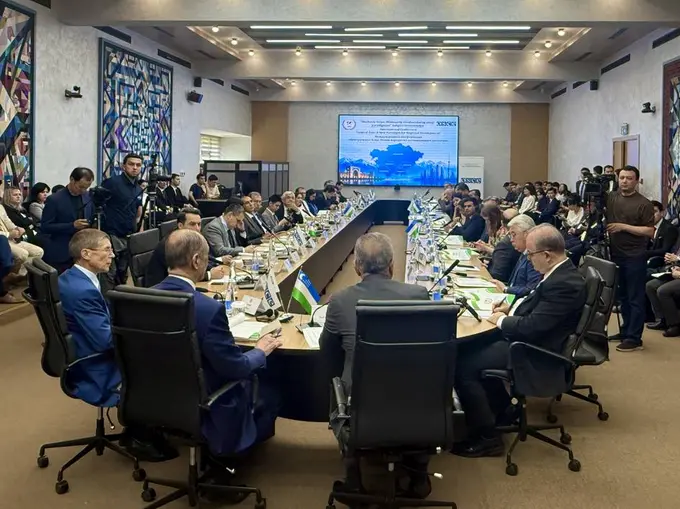
The sector has attracted approximately $35bn in investment in recent years, according to Deputy Prime Minister Jamshid Khodjaev, who presented the figures at an Asian Development Bank forum in Samarkand.
These investments have enabled the commissioning of 9 gigawatts of new generation capacity and helped increase annual electricity production from 60bn kilowatt-hours to 85bn kilowatt-hours.

Officials say the expansion has strengthened Uzbekistan's position in the regional energy market. The country, which previously relied on electricity imports during certain periods, is now exporting power to Kazakhstan, Tajikistan, Kyrgyzstan, and Afghanistan.
Renewable energy projects have been developed across multiple regions of the country, including solar power plants in Samarkand, wind energy facilities in the Bukhara region, hydroelectric stations, and modern combined-cycle thermal power plants such as the facility in Navoi.
To address the intermittent nature of solar and wind generation, Uzbekistan has accelerated the deployment of energy storage technologies. During the past year, 10 energy storage systems with a combined capacity of 1,245 megawatts were commissioned.
The government plans to increase storage capacity to 4.5 gigawatts by 2030, with eight additional storage systems expected to enter operation before the end of 2026.
Alongside physical infrastructure investments, the energy sector has introduced digital management tools and customer service platforms. These include the 1154 and 1104 call centers, which operate around the clock, as well as regional utility Telegram bots designed to improve communication with consumers and increase transparency in service delivery.
Officials say these measures are intended to strengthen public confidence in the energy system while providing faster responses to customer concerns and service disruptions.
As electricity demand continues to grow, Uzbekistan's long-term strategy focuses on expanding generation capacity, integrating renewable energy, modernizing transmission and distribution networks, and improving efficiency. The government also continues to emphasize responsible energy consumption, noting that sustainable development of the sector depends not only on investment and infrastructure but also on the efficient use of resources by consumers.
The reforms have drawn attention from international financial institutions and development partners, which view the sector's modernization as an important component of Uzbekistan's broader economic development and regional energy cooperation goals.