Uzbekistan’s industrial output reached UZS 394.7 trillion ($30.7bn) in January–April 2026, marking a 7.8% increase compared to the same period last year, according to the National Statistics Committee.
As of May 1, 2026, the country had 61,400 operating industrial enterprises. The largest share was concentrated in food production with 12,300 enterprises, accounting for 20% of the total, followed by non-metallic mineral products manufacturing with 8,600 enterprises and clothing production with 6,200 enterprises.
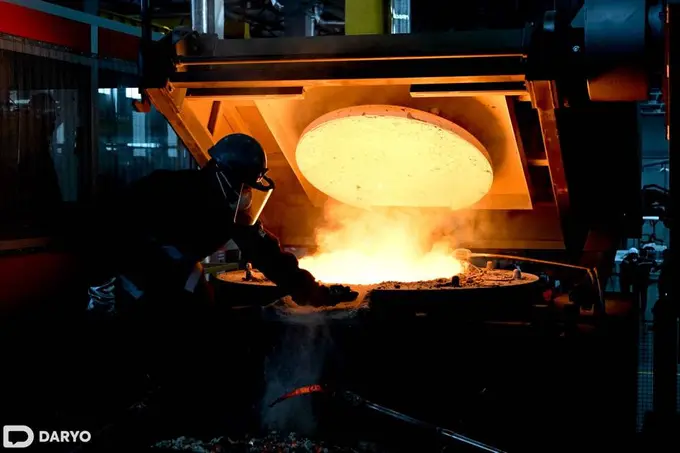
Manufacturing remained the dominant segment of the industrial sector, generating UZS 338.5 trillion ($28.2bn) and accounting for 85.8% of total industrial production during the first four months of the year. Mining and quarrying contributed UZS 27.5 trillion ($2.3bn), while electricity, gas, steam, and air conditioning supply reached UZS 26.6 trillion ($2.2bn).
Among the regions, Navoiy recorded the highest industrial output at UZS 100.5 trillion ($8.4bn), followed by Tashkent with UZS 63.7 trillion ($5.3bn) and Tashkent Region with UZS 58.8 trillion ($4.88bn). Jizzakh Region posted the fastest industrial growth rate at 109.4%, closely followed by Samarkand Region at 109.3% and Andijan Region at 109.2%.
Per capita industrial production nationwide reached UZS 10.3mn ($855) during the reporting period. The highest figures were recorded in Navoiy Region with UZS 90.3mn ($7,495) per person, followed by Tashkent city with UZS 20mn ($1,660) and Tashkent Region with UZS 18.6mn ($1,544).
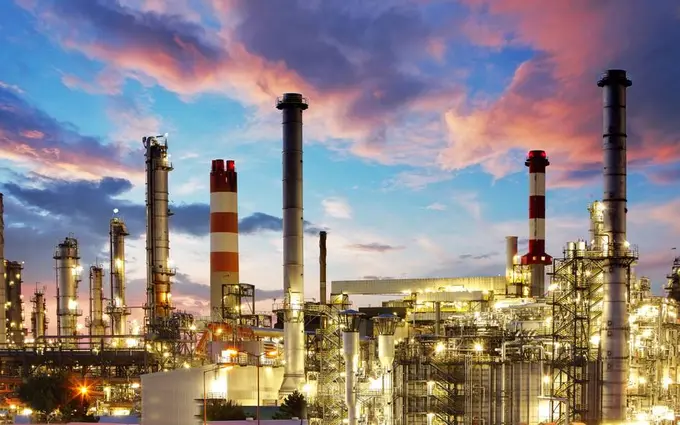
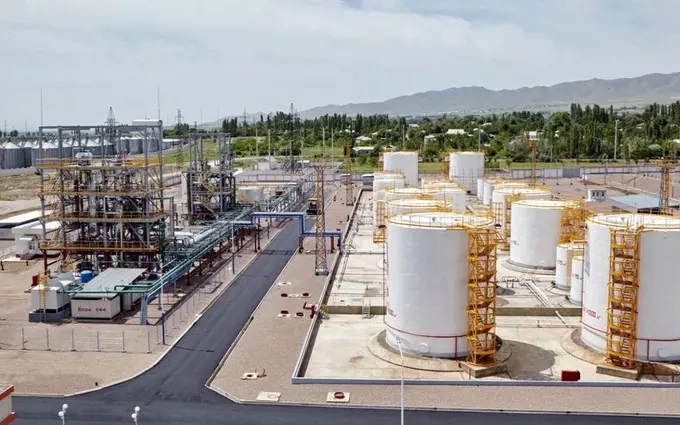
Uzbekistan also reported continued production across key industrial commodities. Between January and April 2026, the country produced 12.6bn cubic meters of natural gas, 209,000 tonnes of oil, 1.3mn tonnes of coal, 417,500 tonnes of automobile gasoline, 381,000 tonnes of diesel fuel, and 6.5mn tonnes of Portland cement.
The automotive sector maintained growth momentum, with passenger car production reaching 148,859 units in the first four months of the year, up from 135,367 units during the same period in 2025. Production of Cobalt vehicles increased to 53,802 units, while BYD production rose to 7,011 units. Truck production also climbed to 1,867 units.
Electricity production in Uzbekistan rose to 29.9bn kWh during January–April 2026, while services related to wastewater treatment and transportation increased by 15.2% year-on-year, reflecting continued growth in utilities and infrastructure-related sectors.
The latest figures highlight continued industrial expansion across Uzbekistan, driven by growth in manufacturing, automotive production, energy generation, and regional industrial activity.