Kyrgyzstan and Kazakhstan presented an updated Tourism Master Plan for the Almaty–Bishkek Economic Corridor (ABEC) in Bishkek on February 12, 2026, placing sustainable development and green tourism at the centre of regional cooperation efforts.
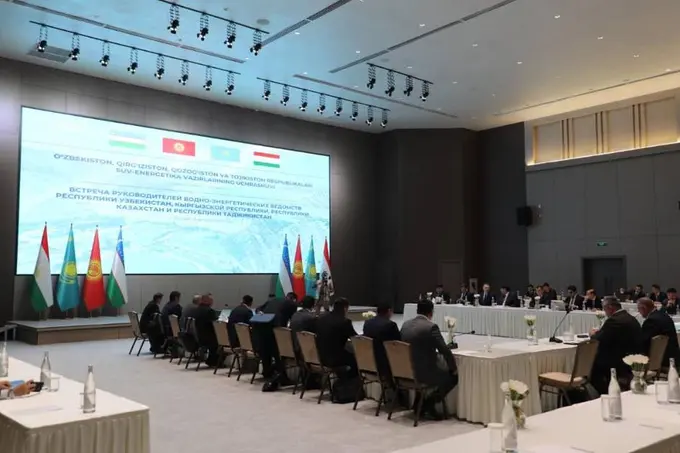
The revised document, prepared with support from the Asian Development Bank (ADB), was introduced during a roundtable attended by representatives of the Ministry of Economy and Commerce of Kyrgyzstan, the Department of Tourism, the Ministry of Transport, the Ministry of Culture, regional authorities of Issyk-Kul and Chui regions, as well as private sector stakeholders and development partners.
Opening remarks were delivered by Erdenet Kasymov, Director of the Tourism Department, and Christian Rosbach, ABEC Team Leader and Senior Regional Cooperation Specialist at ADB.
The original ABEC Tourism Master Plan was approved in 2019 in the pre-pandemic period and served as a strategic roadmap for corridor development, focusing on investment promotion, tourism product diversification, transport connectivity and institutional development.
The 2026 update builds on that foundation by integrating sustainability components that were previously underdeveloped and reflecting new market and analytical realities. The presentation included updated assessments of tourism demand and supply, a revised SWOT analysis, cluster development strategies and a preliminary list of green initiatives and investment projects.
Key priorities of the updated plan include the expansion of eco-tourism routes, environmentally sustainable accommodation, hiking and cycling infrastructure, and measures to reduce environmental pressure on mountain ecosystems, lakes and national parks.
The plan also promotes resource efficiency, renewable energy use in tourism facilities, green logistics solutions and carbon footprint reduction across tourism operations.
Regional integration and connectivity remain central pillars, with proposed measures including digitalisation of cross-border procedures, sustainable transport solutions and stronger coordination to create a seamless tourism route along the corridor.
Participants engaged in group discussions to prioritise initiatives, identify flagship projects and formulate implementation recommendations.
The updated Master Plan is designed to attract investment and mobilise financial resources from ADB, national governments, the private sector and development partners to implement priority projects along the ABEC corridor.