Uzbekistan has intensified efforts to combat human trafficking following an official visit by Kari Johnstone and a specialised training programme aimed at addressing technology-driven exploitation.
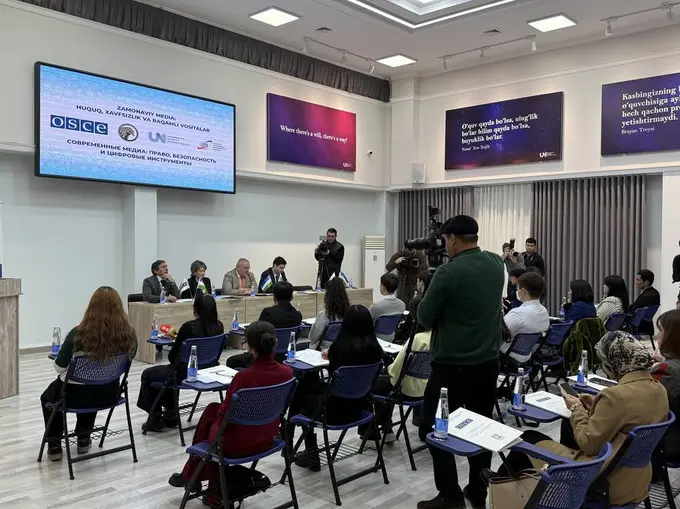
Law enforcement and anti-trafficking officials strengthened both strategic co-operation and operational response mechanisms during the two-day training course, which focused on improving detection and prevention of trafficking activities facilitated through digital platforms.
“Protecting victims and preventing trafficking requires both strong policies and well-equipped practitioners,” Johnstone said. “Uzbekistan’s ongoing reforms provide a solid foundation, and targeted capacity-building, particularly on technology-facilitated trafficking, helps translate commitments into effective action on the ground.”
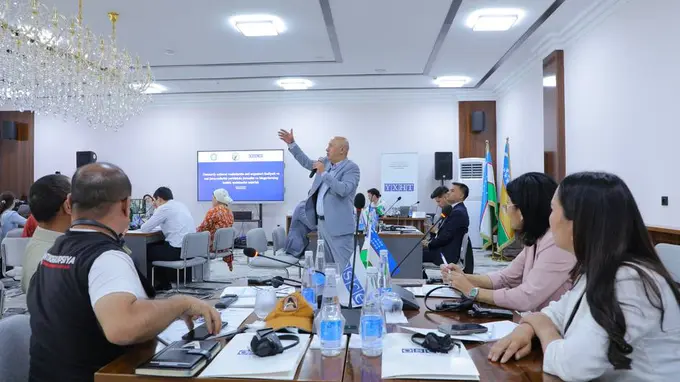
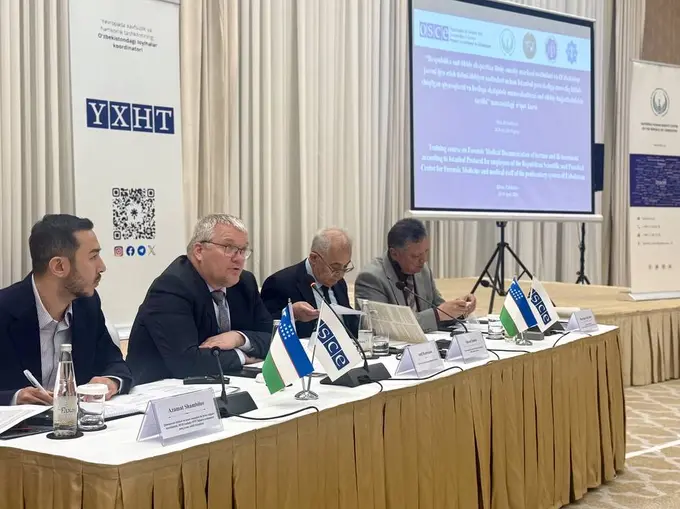
The training was held at the Law Enforcement Academy of Uzbekistan in Tashkent from February 12 to 13. It brought together representatives from multiple agencies, including the Ministry of Internal Affairs of Uzbekistan, the Prosecutor General’s Office, the Academy of the Ministry of Internal Affairs, the Ministry of Digital Technologies of Uzbekistan, the Child’s Rights Ombudsperson, and the State Labour Inspection.

The programme was based on the OSCE’s model training curriculum on investigating technology-facilitated trafficking in human beings. It focused on equipping participants with advanced skills to identify and investigate online recruitment, exploitation, and traffickers’ control mechanisms. Particular attention was given to methods such as recruitment schemes through social media, messaging applications, and emerging artificial intelligence tools targeting vulnerable populations.
“This training equips law enforcement not only with concrete skills in proactive online investigations, open-source intelligence, and a victim-centred approach, but also guides police training institutions to adapt their teaching methods to address technology-facilitated trafficking,” Johnstone said.
Participants received practical training on integrating investigative techniques, case-based learning, and victim-centred approaches into educational programmes. They were also trained to deliver specialised modules to both active law enforcement officers and cadets, creating a multiplier effect to strengthen authorities’ ability to counter digital exploitation.
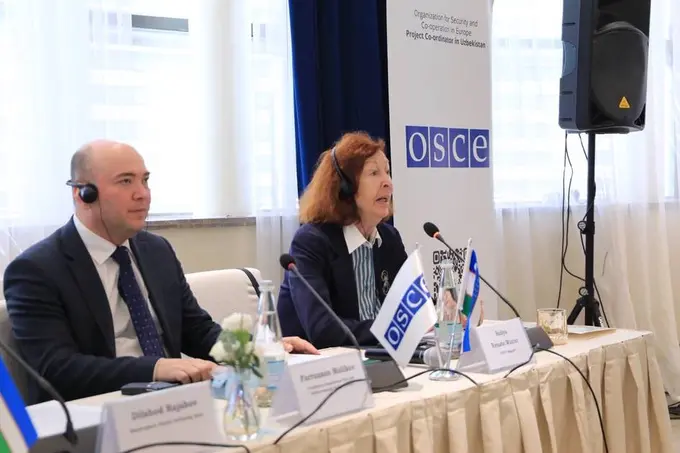
The OSCE reaffirmed its continued support for Uzbekistan’s anti-trafficking strategy. Antti Karttunen, OSCE Project Co-ordinator in Uzbekistan, said the initiative reflects the country’s commitment to strengthening modern investigative capabilities.
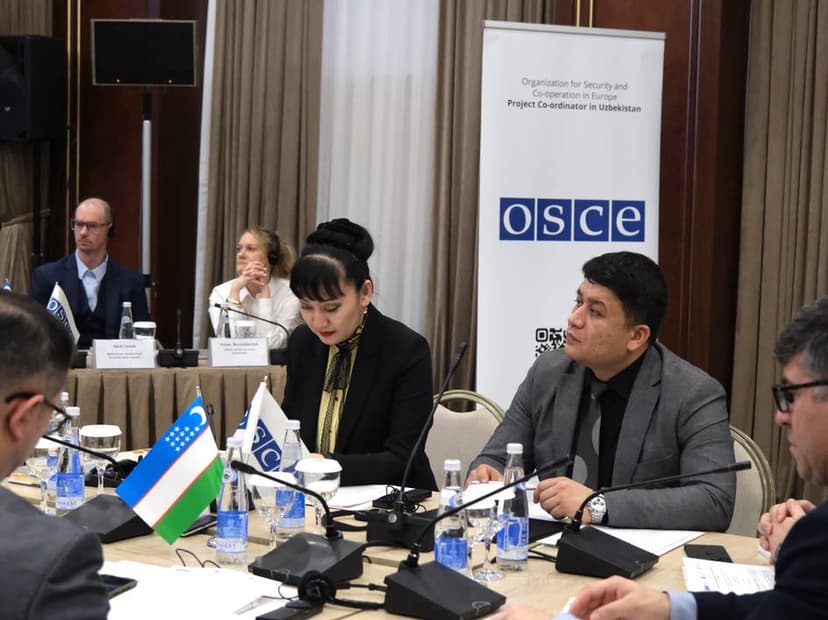
“By investing in advanced training for law enforcement and integrating modern investigative tools, Uzbekistan is strengthening its ability to prevent trafficking in human beings, protect victims, and respond effectively to evolving trafficking methods – especially those increasingly linked to digital technologies,” Karttunen said.
Alongside the training programme, Johnstone’s visit included high-level meetings with anti-trafficking stakeholders, including representatives of the Oliy Majlis of Uzbekistan, which oversees the national Commission on Combating Human Trafficking and Decent Work, as well as officials from the Supreme Court of Uzbekistan, the Ministry of Employment and Poverty Reduction, and other relevant institutions.
During the meetings, Johnstone highlighted Uzbekistan’s progress in anti-trafficking reforms and expressed support for recent legislative changes, including amendments to the Criminal Code that increase penalties for human trafficking and the adoption of new legislation aimed at protecting children from all forms of violence.
The visit and training programme form part of broader efforts to enhance institutional capacity, strengthen victim protection mechanisms, and address increasingly complex trafficking patterns linked to digital technologies.