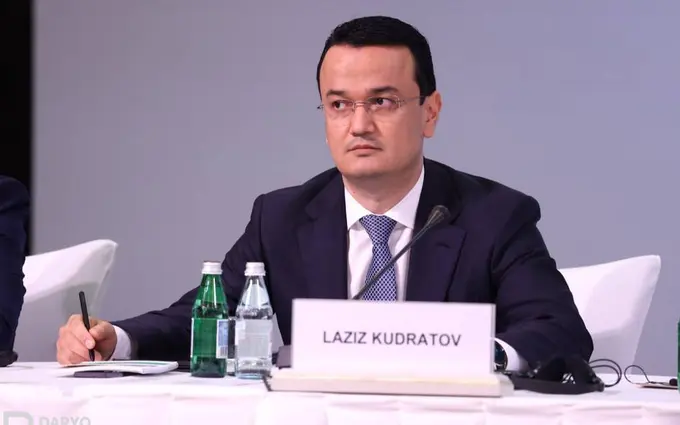
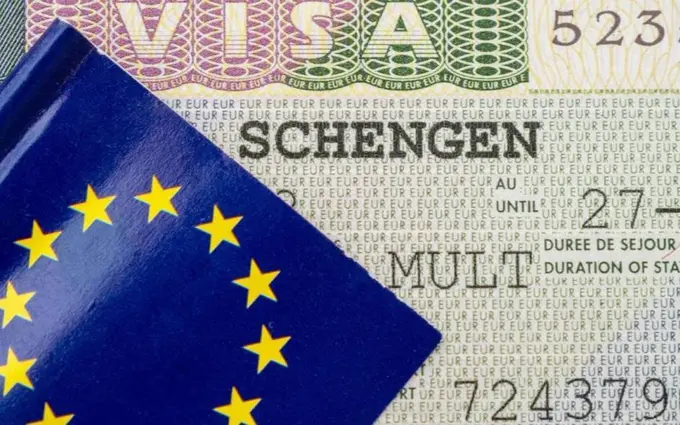
The introduction of a visa-free regime for Uzbek citizens to the European Union remains a complex, multi-stage process, according to Uzbekistan’s Ambassador to Germany, Dilshod Ahatov. In an interview with Daryo, Ahatov outlined the legal, institutional, and demographic factors that affect the prospects of visa liberalization.
Visa-Free Entry Requires Multi-Country Agreement
Responding to a question about when visa-free entry to Germany for Uzbek citizens might be implemented, Ahatov stated:
“This is a difficult process.”
He explained that achieving visa-free travel would require the consent of all EU member states as well as countries outside the EU that are part of the Schengen Area.
“Germany is among the 27 EU member states. There is also a Schengen visa regime within the Union. Creating a visa-free regime for Uzbeks to enter Germany means that there must be an agreement not only with the EU, but also with Switzerland, Norway and other countries where Schengen is in force. This means that a visa-free regime will need to be introduced with about 30 countries. That is why this is a difficult issue.”
Ahatov noted that once citizens enter Germany, they would be able to move freely across other Schengen countries, as there are no internal border controls:
“Since it is convenient to move from one country to another, a visa-free regime is required throughout the entire union. This result can be achieved step by step in the future. But there are many issues that need to be resolved.”
Demand for Foreign Labor in Germany
The ambassador highlighted Germany’s growing need for foreign workers due to demographic trends, including low birth rates and a rising proportion of elderly citizens:
“The population growth in Germany is very slow, the birth rate of young people is low. For example, 20 years ago the country's population was about 81mn. Now it is around 82mn. The number of elderly people in Germany is increasing. There are about 1.4 children per woman. And for the population to grow, it should be at least two. That is why the demand for foreign workers in Germany is very high.”
Opportunities for Uzbek Citizens
Ahatov stated that the number of Uzbek citizens being invited to work in Germany is increasing, facilitated by the migration and mobility agreement signed between the two governments in 2024:
“Only two countries in Asia have achieved this result. They are India and Uzbekistan. And globally, there are only 5-6 countries that have concluded such an important agreement with Germany.”
The agreement has reportedly simplified visa processes for qualified Uzbek specialists. In 2025, more than 2,000 young professionals from Uzbekistan went to Germany to work and study. The ambassador explained:
“Germany has a dual vocational education system. This allows you to work while studying. For example, you can study half a day and work half a day. Or you can study three days and work two days. A specialist is assigned to an enterprise. To achieve this result, you must first know the German language. At least a B2 level language certificate is required. Young people who know the language are taken by the Germans and trained in their profession. For example, 20-year-old Uzbek men and women go to Germany to study dual education. They are also paid a monthly salary for their work. On the other hand, after graduating, they are engaged in full-time work. That is, they are given a full-time job in their specialty. The salary is high. For example, you can get €4,000-5,000 per month.”
According to Ahatov, more than 15,000 Uzbeks currently live in Germany, most of whom initially went there for education.