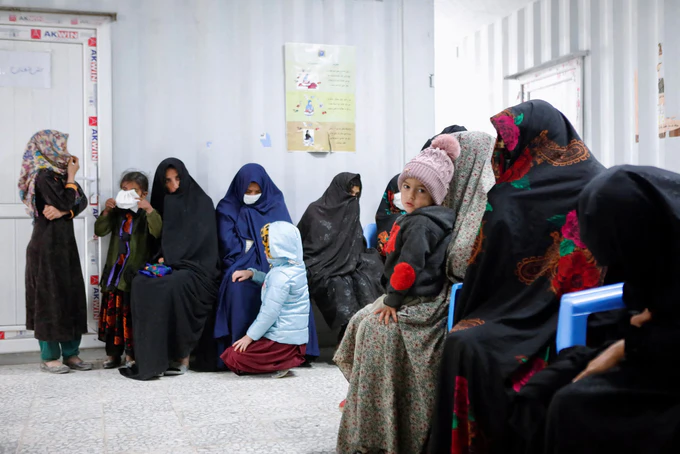
Afghanistan is losing more than $1bn each year as a result of Taliban-imposed restrictions on women and girls, the United Nations Security Council has warned, describing the situation as “dire.” As per to the UN’s assessment, around 80% of Afghan women are barred from education, employment, and vocational training, a situation that is severely undermining the country’s economic performance and long-term social development.
In its report, the Security Council highlighted that eight out of ten Afghan women have been excluded from public life, resulting in significantly higher unemployment rates among women compared to men. Women also face major obstacles in accessing healthcare, while worsening economic hardship is pushing families toward early and forced marriages for girls. The UN stressed that these restrictions have created long-term structural damage to Afghanistan’s labor force and human capital.
Earlier, in March 2025, the UN Assistance Mission in Afghanistan (UNAMA), citing World Bank data, projected that bans on women’s education and employment could reduce Afghanistan’s economy by up to $1.4bn per year. UNAMA warned that the Taliban’s strict enforcement of these policies is deepening the country’s economic crisis and limiting prospects for recovery.
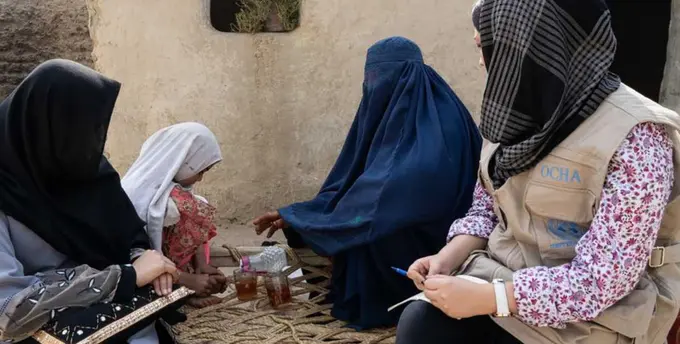
The report also outlined additional pressures on Afghanistan’s fragile economy, including the forced return of Afghan refugees from Pakistan and Iran, which has placed further strain on public services, labor markets, and humanitarian resources. The Taliban’s restrictions on women working with humanitarian organizations have further reduced the international community’s capacity to assist returnees and vulnerable populations.
Amid growing international concern, the International Criminal Court (ICC) has moved to hold Taliban leaders accountable for the systematic persecution of women and girls, citing gender-based discrimination and the denial of fundamental rights such as education and freedom of movement. The UN also noted a sharp deterioration in media freedom, with women journalists increasingly targeted by intimidation and repression. Previous reports indicate that Afghanistan’s overall unemployment rate has reached 75%, underscoring the scale of the country’s economic and humanitarian collapse.
Although Afghanistan’s economy is expected to grow, with GDP projected to rise 4.3% in 2025 up from 2.5% in 2024, several barriers continue to hinder development, with the exclusion of women from education and economic activity remaining a key challenge. High youth unemployment, a fragile banking sector, and rapid population growth further limit the country’s ability to fully benefit from recovery. The World Bank emphasizes that sustaining growth will require reforms to boost private investment, diversify exports, expand financial access, and create jobs for returnees, alongside stronger governance and foreign investment to reduce reliance on humanitarian aid.