From the next academic year, Uzbekistan will launch artificial intelligence (AI) programs in schools, technical schools, and universities.
Professors of informatics are being trained, and AI education will extend beyond computer science staff to the wider school community. The initiative aims to reduce teachers’ workload and allow more time for professional development. A virtual teacher assistant platform is also planned to help with lesson preparation, test creation, and exam monitoring.
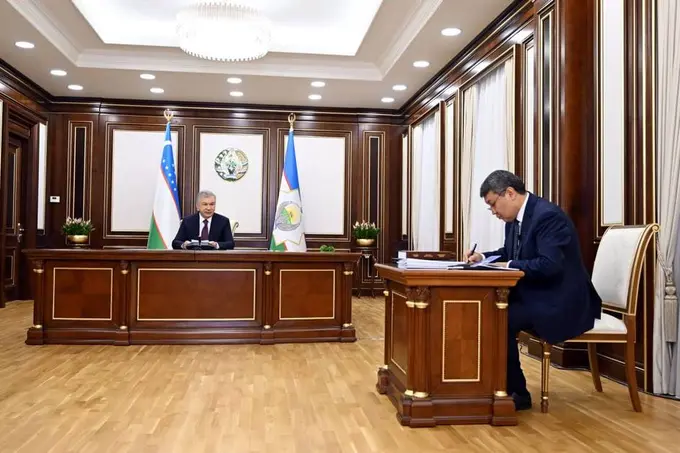
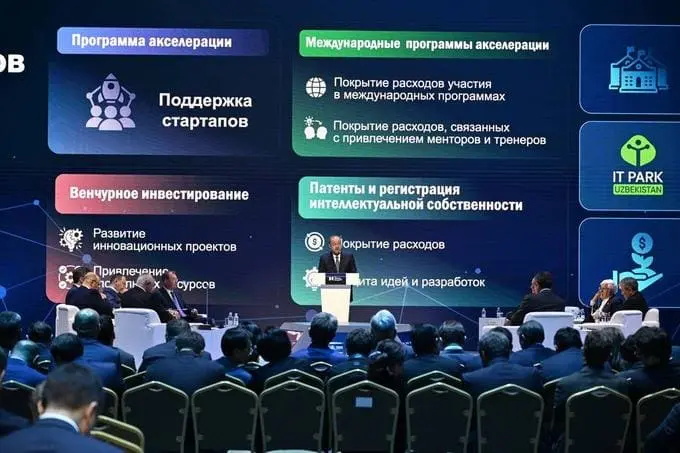
President Shavkat Mirziyoyev reviewed the broader implementation of AI technologies in key sectors including healthcare, transport, and space during a presentation on December 1.
In healthcare, five AI projects are already underway, cutting diagnostic times for stroke and breast cancer by 80 percent. Future projects, in collaboration with international partners, aim to expand AI use to diagnose liver, lung, and prostate cancer, heart strokes, and complex bone fractures in republican health centers.
In the transport sector, AI will be used for automatic detection of traffic violations and monitoring the technical condition of railway wagons to reduce incidents.
In space technology, work is progressing on the artificial satellite “Samarkand-2028,” which will include an AI module for Earth remote sensing. Satellite data will help monitor air quality, agricultural crops, and forests.
The president’s recent decrees, which focus on expanding AI development and approving a long-term strategy for AI technologies through 2030, have established the framework for building AI infrastructure and training specialists across the country. Plans include creating computing infrastructure, such as a supercomputer cluster in cooperation with American company Nvidia.
At the end of the presentation, President Mirziyoyev instructed officials to accelerate the implementation of AI projects and expand their use across economic and social sectors.