











Lifestyle and Culture

Chinese woman offers apartment in Shanghai as reward to whoever finds her son who was lost 26 years ago

Imam Al-Bukhari and Sukarno: A cross-cultural journey supported by global philanthropy
Imam Al-Bukhari and Sukarno, a theatrical-musical production celebrating the shared cultural heritage of Indonesia and Uzbekistan, had its world premiere in Samarkand in November 2024. Featuring over 60 performers, the play brings to life the journey of Indonesia’s first president, Sukarno, to Uzbekistan in 1956. "This project represents a cultural dialogue," says Restu Imansari Kusumaningrum, the play's Artistic Director. "The arts need to be supported, not just by the government, but by the community—by private donors and philanthropists. Without them, many of these stories would remain untold." With a production cost of over $100,000, the production showcases the crucial role of private sector support in making such cultural initiatives a reality.
Sport
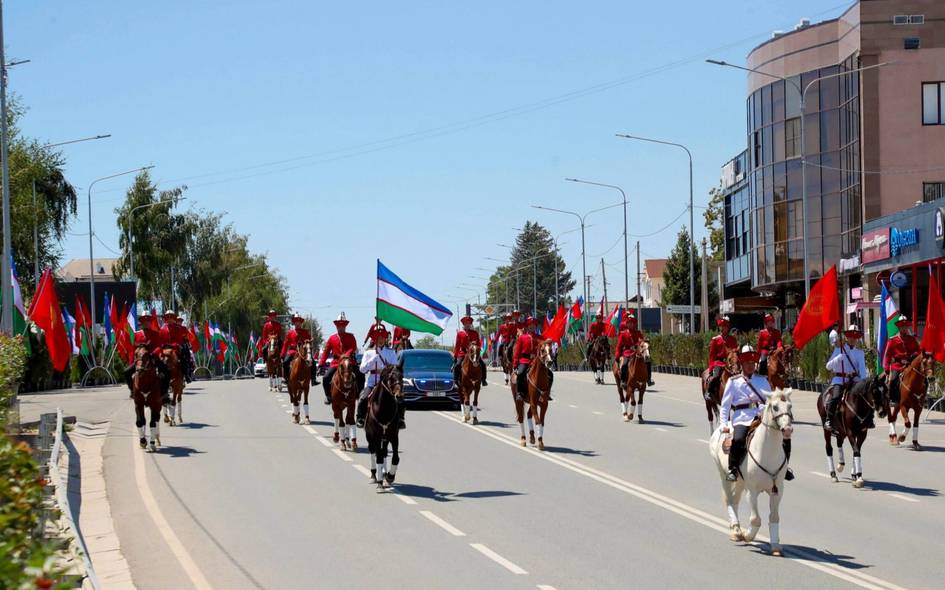
Uzbekistan to host 2027 AFC U-17 Asian Cup
Uzbekistan will host the 2027 AFC U-17 Asian Cup after the AFC transferred the tournament from Saudi Arabia, while Japan was selected to stage the 2028 AFC U-23 Asian Cup.

Uzbekistan schedules friendly match against South Korea ahead of AFC Asian Cup

FIFA imposes transfer bans on Bunyodkor and Andijan over unpaid obligations

Uzbekistan players reflect on historic World Cup debut after group-stage exit