Sales of new passenger cars in Uzbekistan continued to grow in 2025, with the electric vehicle segment recording the fastest expansion, according to an analytical review by the Center for Economic Research and Reforms.
The review shows that sales of new passenger cars increased by 5.2% year-on-year, reaching about 370,000 units. The analysis covers vehicles of both local and imported production, as well as regional and segment-level market changes.
Regional data point to uneven growth across the country. The highest increase in new car sales was recorded in Syrdarya region, where volumes rose by 45%. Sales also grew by 36% in Tashkent region, 26% in Namangan region, and 21% in Kashkadarya region. At the same time, sales declined over the year in Tashkent city, as well as in Navoi and Khorezm regions.
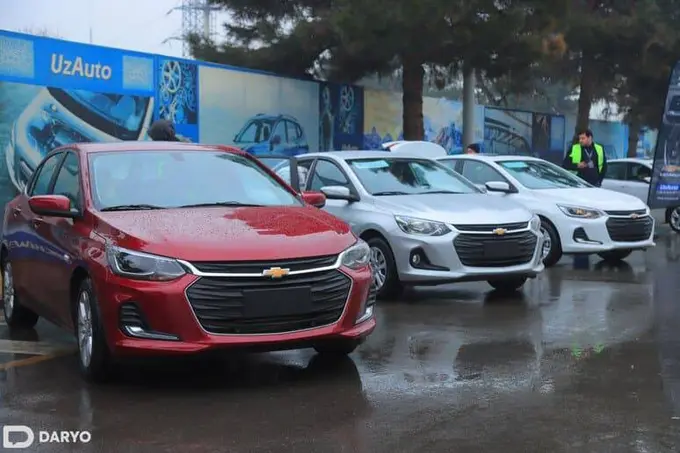
Locally produced vehicles continued to dominate the market. Sales of new cars manufactured in Uzbekistan exceeded 315,000 units in 2025. In comparison, sales of imported passenger cars totaled around 53,300 units, indicating that local producers remain the main suppliers to the domestic market.
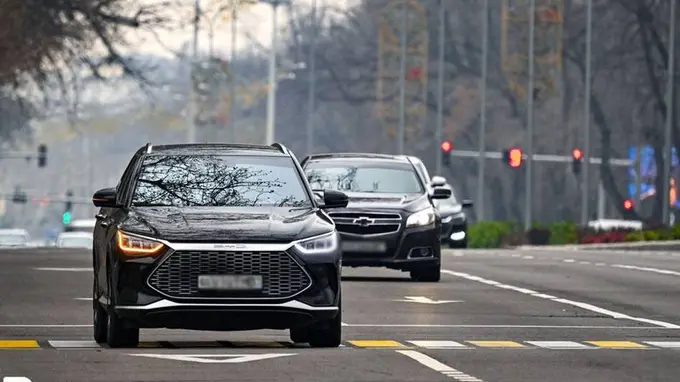
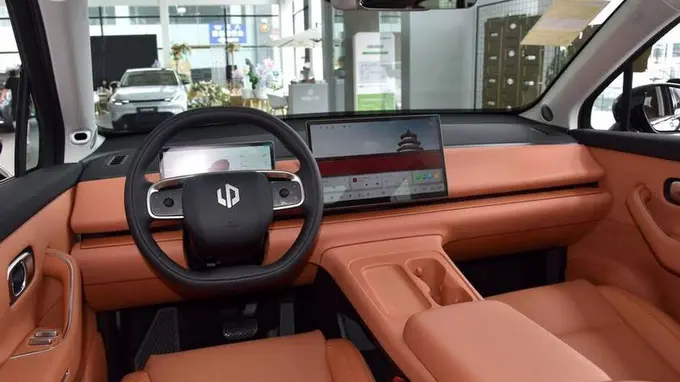
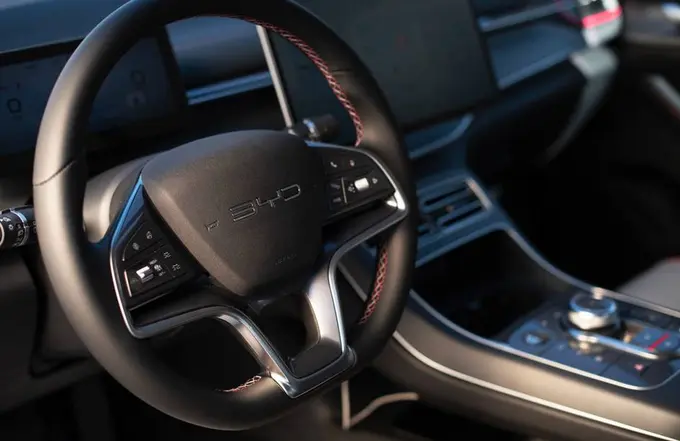
The electric vehicle segment emerged as the main growth driver. According to the report, sales of new electric cars increased by 35% during the year, reaching 40,700 units.
Electric vehicle sales were largely concentrated in the capital. Tashkent accounted for about 29,000 units, or 71% of total electric car sales nationwide. Samarkand region, Tashkent region, and Kashkadarya region followed, though with significantly smaller volumes.
Experts at the Center for Economic Research and Reforms note that the 2025 results highlight persistent regional differences in Uzbekistan’s automotive market. They add that the electric vehicle segment is expected to remain one of the key directions of market development in the coming years.
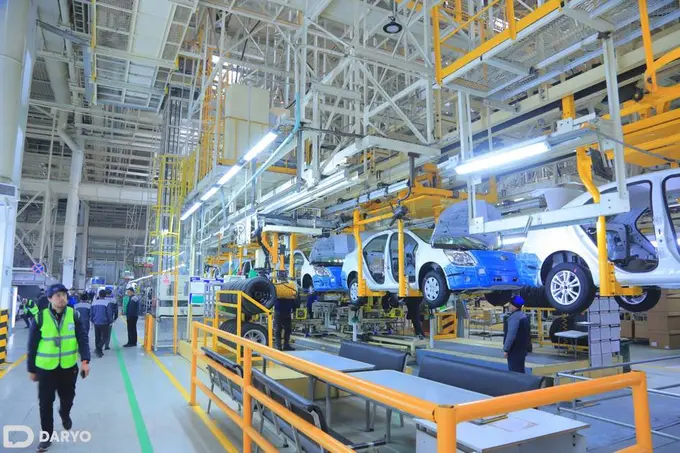
Earlier, it was reported that Uzbekistan plans to more than double its passenger car production by 2030 under the draft Uzbekistan-2030 strategy, raising output from 460,000 vehicles in 2026 to nearly 1mn by the end of the decade, while increasing the share of electric vehicles in its passenger car fleet to 10%.