Uzbekistan plans to reform its liquefied gas supply system, with nearly 3.8mn people and about 2,000 social-sector facilities currently relying on the fuel, while declaration processing and distribution mechanisms are set to be revised to improve supply and target state support.
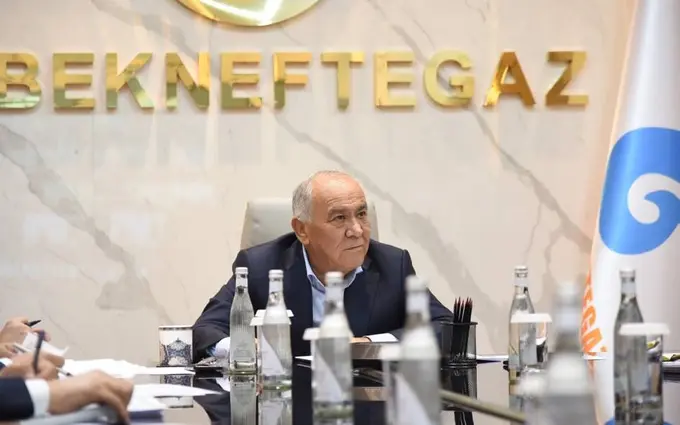
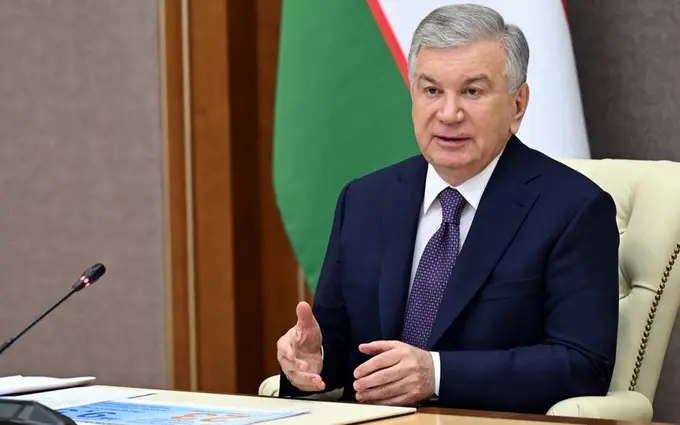
The proposals were presented to President Shavkat Mirziyoyev, with the discussion focusing on the balance of liquefied gas resources and distribution, the existing supply system, pricing, subsidies and their impact on households. A total of 604,800 tons of liquefied gas is planned to be supplied this year to meet the needs of households and social-sector facilities.
The current system faces supply delays in some areas, resulting in consumers purchasing additional gas from vehicle refueling stations at market prices. According to the analysis presented, 22% of consumers receive liquefied gas after more than 46 days, with some households consequently facing monthly expenses several times higher than the regulated price.
Liquefied gas is currently supplied to households and social-sector facilities at preferential prices. At the same time, the gap between production, import, procurement and delivery costs has been increasing, raising the need for larger budget subsidies.
Under the proposed reforms, a new limited liability company, LPG-Trade, would be established under Hududgaztaminot. The company would purchase liquefied gas through the exchange and arrange its delivery to consumers under the established procedures.

The proposed system would introduce an economically based mechanism for setting retail liquefied gas prices. At the same time, socially vulnerable households would receive compensation for each kilogram of liquefied gas purchased, shifting state support from a general subsidy toward targeted assistance.
The proposals also provide for liquefied gas for social-sector facilities to be supplied at exchange prices, with the difference arising from selling the fuel to households at regulated prices covered by the state budget. Private-sector participation would also be expanded through a pilot project in Andijan Region. Private operators would be required to hold the necessary licenses and permits and employ qualified engineering and technical personnel.
The pilot would involve at least two operators, while mobile applications and online services would be introduced for consumers. Gas filling facilities would also be established in line with urban planning and fire safety requirements, taking into account the number of consumers and distances between service areas.

The government is expected to consider gradually extending the pilot to other regions based on the results of the project. The proposals also envisage stricter delivery schedules, digitalized accounting and greater transparency in distribution, alongside measures to prevent artificial shortages and unjustified price increases.
Authorities would also be tasked with ensuring timely compensation payments for vulnerable households, enforcing safety requirements at gas-filling facilities and during transportation, and establishing effective oversight of private operators. The reforms are expected to create a more transparent and stable liquefied gas supply system, shorten delivery times, improve service quality and make budget spending more targeted and efficient.
The presentation also included an update on the implementation of additional instructions issued on September 2 concerning external infrastructure and the construction of a nearby settlement for the integrated nuclear power plant being built in Jizzakh Region.