Uzbekistan has strengthened penalties for corruption-related crimes, introducing new restrictions on early release for major bribery offenders and establishing a national electronic registry of individuals convicted of corruption offenses.
The amendments were introduced through a new law that entered into force on June 23 after being approved by the Legislative Chamber on May 25 and endorsed by the Senate on June 13.
Under the changes, individuals convicted of receiving or giving bribes on a large scale, as well as those found guilty of acting as intermediaries in bribery cases, will no longer be eligible for conditional early release from prison.
The law also restricts early release for individuals convicted of embezzlement, misappropriation, or fraud if they have not fully compensated for damages caused by their crimes.
In addition, lawmakers approved an official list of offenses classified as corruption-related crimes under the Criminal Code. The list covers a range of offenses, including bribery, abuse of office, embezzlement in aggravated circumstances, unlawful enrichment-related offenses, and certain cases involving the laundering of proceeds derived from corruption crimes.
The legislation also introduces administrative penalties for violations of procurement pricing requirements. Officials who fail to comply with established limits on differences between the starting price of a public procurement contract and its average market value may face fines of up to 30 times the base calculation unit (BCU), except in cases involving embezzlement.
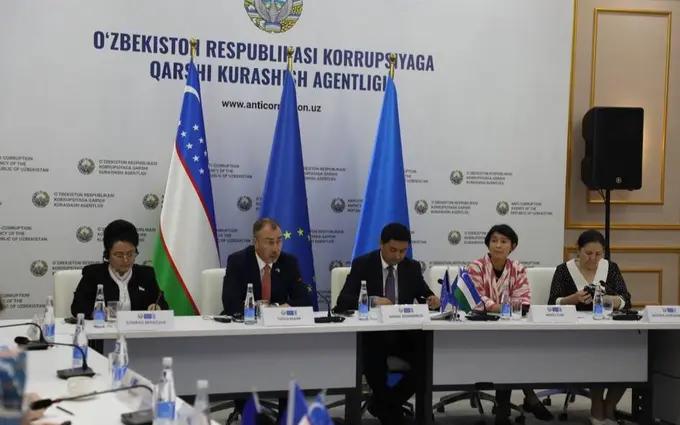
A new electronic registry of corruption offenders will also be established and maintained by the Anti-Corruption Agency in cooperation with the Ministry of Internal Affairs.
The registry will contain information on individuals found guilty of corruption-related crimes, with records retained for the duration of the criminal record period specified under the Criminal Code.