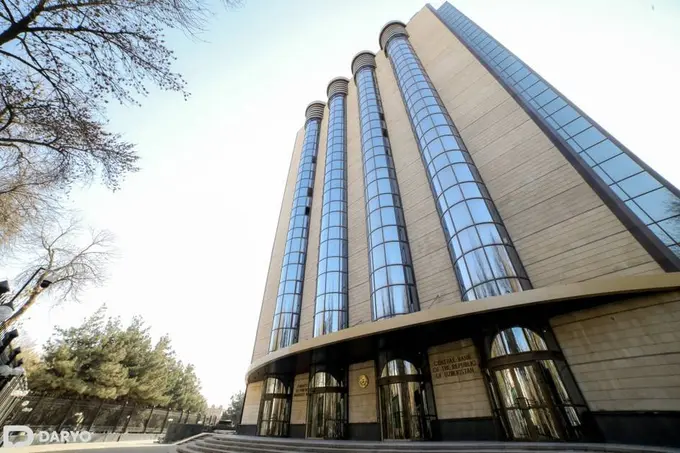
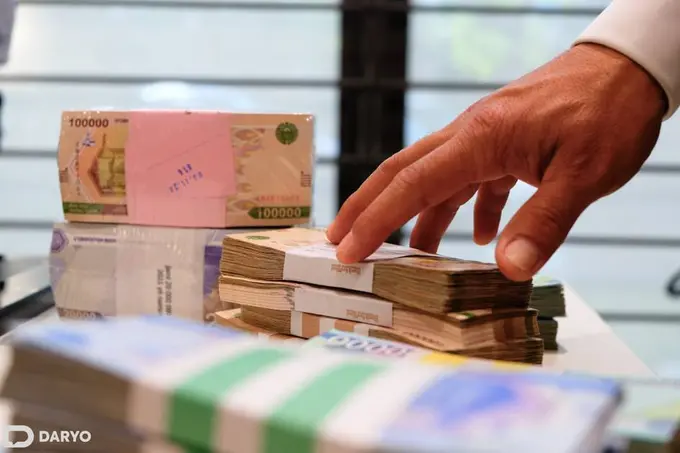
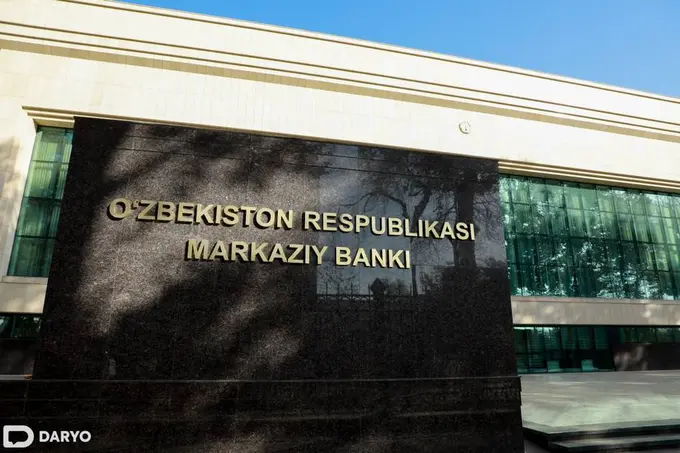
Microfinance services in Uzbekistan totaled UZS 35.8 trillion ($2.99bn) in the first quarter of 2026, increasing by UZS 5.2 trillion ($434mn), or 17%, compared to the same period last year, according to a review published by the Central Bank.
The sector's share of total lending also expanded, reaching 35.1% of all loans issued during the reporting period, highlighting the growing role of microfinance in the country's financial system.
Banks remained the dominant market participants, accounting for 66% of all microfinance services provided. Microfinance organizations held a 31.2% share, while pawnshops represented 2.8% of the market.
Commercial banks issued UZS 23.6 trillion ($1.97bn) in microfinance services. Of that amount, UZS 13.8 trillion ($1.15bn) came from private banks and UZS 9.8 trillion ($819mn) from banks with state ownership.
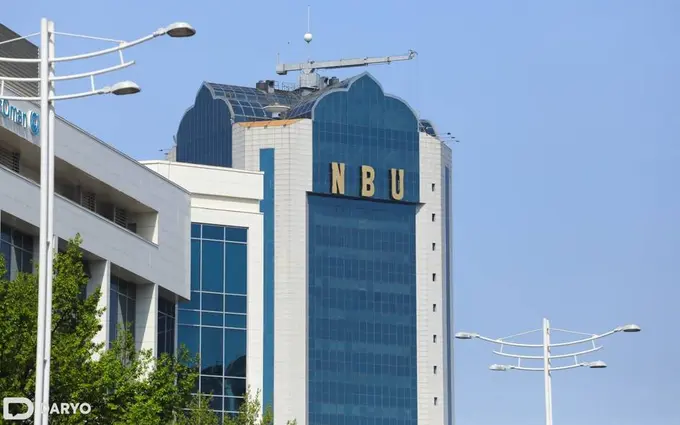
Among banks with state ownership, Agrobank led the market with UZS 3.7 trillion ($309mn) in microfinance services, followed by National Bank of Uzbekistan with UZS 1.4 trillion ($117mn) and People’s Bank with UZS 1.2 trillion ($100mn).
Among private lenders, Ipoteka Bank issued UZS 2.1 trillion ($175mn), followed by Hamkorbank with UZS 1.9 trillion ($159mn) and Anorbank with UZS 1.7 trillion ($142mn).
Microfinance organizations provided UZS 11.2 trillion ($936mn) in services during the quarter. Three companies — TezCoin, Shaffof Moliya and Fortuna Biznes — accounted for 71% of that volume. TezCoin alone issued UZS 6.4 trillion ($535mn), representing 57% of the segment.
Pawnshops issued approximately UZS 1 trillion ($84mn) in microloans, with Oltin Pawnshop recording the highest volume at UZS 140bn ($11.7mn).
According to the Central Bank, lenders issued UZS 26.6 trillion ($2.22bn) in microloans and UZS 9.2 trillion ($768mn) in microcredits during the quarter. Microloans accounted for 74% of total microfinance services, while microcredits made up the remaining 26%.
Notably, the volume of microcredits increased 2.8 times year-on-year, making it one of the fastest-growing segments of the market.
Regionally, Tashkent city remained the largest microfinance market, accounting for UZS 20.6 trillion ($1.72bn), or 58% of the national total. The fastest growth rates were recorded in Andijan Region (90%), Samarkand Region (66%) and Tashkent Region (46%).
The Central Bank previously reported that Islamic financing services provided by microfinance organizations reached UZS 11.2bn ($936,000) in the first quarter of 2026, nearly eight times higher than a year earlier, indicating growing interest in Sharia-compliant financial products in Uzbekistan.