Uzbekistan is set to commission 13 hydroelectric power plants and one wind power facility in 2026, as the government accelerates efforts to expand generation capacity and diversify its energy mix.
The projects will have a combined capacity of 114 megawatts and are expected to generate 537mn kilowatt-hours of electricity annually. Authorities say the new facilities will also create 254 jobs.
In addition, a 20-megawatt wind power plant is currently under construction in the Bostanlyk district, backed by $28mn in grant funding.
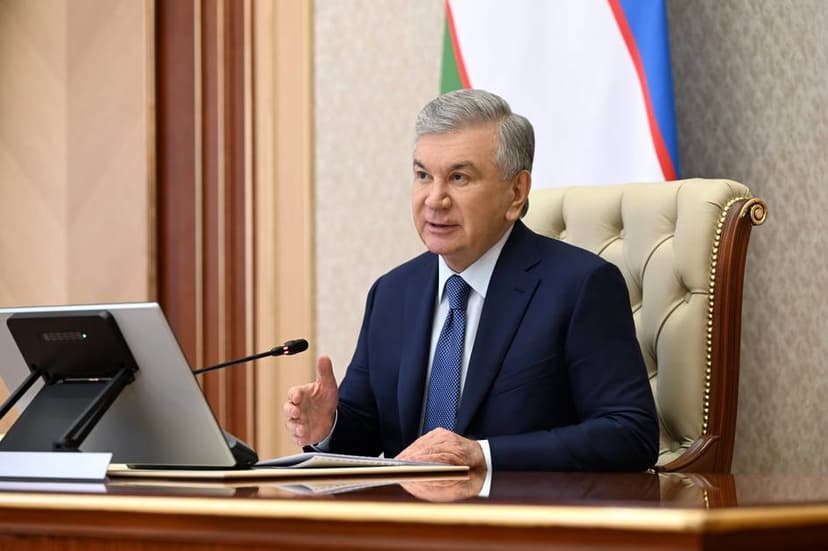
The developments form part of broader efforts reviewed by President Shavkat Mirziyoyev to scale up hydropower capacity and reduce reliance on fossil fuels. Hydropower currently accounts for around 10–12% of Uzbekistan’s electricity production, while the majority still comes from natural gas and coal.
Officials noted that Uzbekistan’s network of rivers, canals and streams exceeds 150,000 kilometers, offering significant untapped potential for hydropower development.
In recent years, the number of hydroelectric plants has increased from 36 in 2017 to 100 by 2025, with installed capacity rising from 1.6GW to 2.4GW. Progress has also included the launch of a domestic facility capable of producing hydropower equipment, as well as the first stage of the Naryn cascade implemented under a national project model.
Looking ahead, the government plans to implement 73 hydropower projects worth $5.8bn between 2026 and 2032, which are expected to add 3.6GW of new capacity.
Among the key projects is the Upper Pskem hydropower plant in the Tashkent region, with a planned capacity of 160MW and annual generation of 484mn kilowatt-hours, supplying electricity to around 161,000 households.

In the Sokh district of the Fergana region, a 15MW hydropower plant is set to be developed under a national model, generating 50mn kilowatt-hours annually and covering 71% of local electricity demand.
Authorities also highlighted the potential of the Upper Tupalang water system, where 42 small hydropower plants could add 541MW of capacity and generate about 1.9bn kilowatt-hours annually.
In line with global practices, Uzbekistan is considering the construction of three pumped-storage hydropower plants with a combined capacity of 1.4GW to support energy storage and grid stability. In addition, nearly 3,000 small and micro hydropower plants are planned, with a total capacity of 164MW.
Digitalization is also being expanded across the sector. Real-time monitoring systems are being introduced to track water levels, pressure and meteorological data, with around 3,500 monitoring devices already installed across hydraulic infrastructure.
The president has instructed officials to ensure timely implementation of projects and to increase the level of local content in the sector.
Separate plans were also presented to improve riverbanks and develop green zones in Tashkent. These include landscaping along the Chirchik River, the creation of green corridors along canals, and proposals to expand the number of artificial lakes and reservoirs in the capital to improve the urban microclimate.