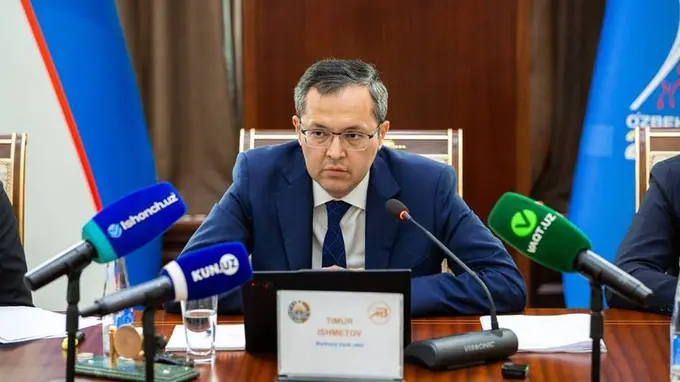
Uzbekistan may face indirect economic pressure from escalating tensions in the Middle East, primarily through rising global prices and trade disruptions, Central Bank Chairman Timur Ishmetov said.
Speaking in an interview with Uzreport TV, Ishmetov noted that while the direct impact on Uzbekistan is limited, the broader geopolitical conflict is already affecting the global economy.
He explained that one of the main transmission channels is through oil prices, which tend to rise during geopolitical instability, contributing to higher global inflation. At the same time, disruptions in transport routes increase logistics costs, adding further pressure on prices.
Earlier, Central Bank official Samigjon Inogomov had also warned that escalating tensions in the Middle East could increase inflation risks by driving up global oil and logistics costs, potentially leading to higher fuel and food prices and disruptions to key transit routes.
To mitigate these effects, Uzbekistan has introduced targeted measures, including subsidies for transportation costs on imports to prevent sharp increases in food prices.
“The direct impact on Uzbekistan is limited, but there will still be effects. Measures are already being taken under the leadership of the president,” Ishmetov stated.
The Central Bank is currently focused on assessing risks and understanding how prolonged geopolitical tensions could affect the economy through various channels, including trade, finance, and capital flows.
Ishmetov emphasized that maintaining price stability remains a key priority, alongside ensuring the stability of the banking system. He warned that disruptions in export-import operations could affect businesses’ ability to service loans, creating potential risks for financial institutions.
Another key concern is the stability of the exchange rate. Global uncertainty may lead to shifts in currency flows, potentially putting pressure on national currencies.
According to Ishmetov, preserving exchange rate flexibility is critical in such conditions, as it helps absorb external shocks and reduces the impact on inflation.
“At present, maintaining exchange rate flexibility is even more important than inflation itself,” he said.
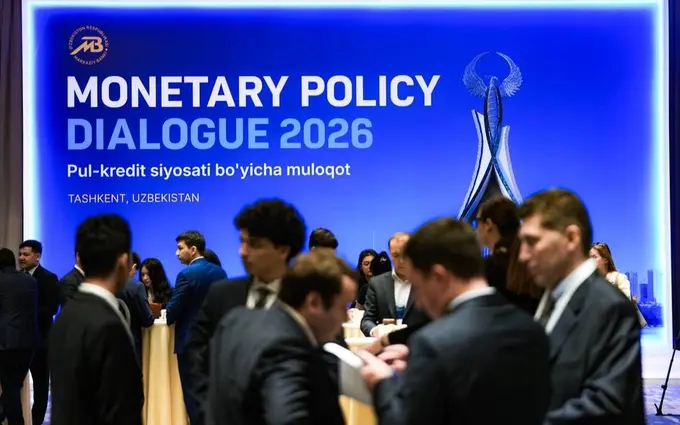
Despite external risks, the Central Bank maintains its inflation target of reducing inflation to 6.5% in 2026. The regulator noted that current monetary policy remains sufficiently tight, and discussions about raising the policy rate are premature.
The Central Bank is also working to strengthen risk management in the banking sector, with a focus on improving credit quality and ensuring that loans are issued to reliable borrowers.
Earlier, the International Monetary Fund projected that inflation in Uzbekistan could slow to 6.8% in 2026, slightly above earlier expectations.