Shavkat Mirziyoyev reviewed a presentation on priority national projects in ecology and environmental protection for 2026–2030 on March 23, focusing on air quality, green space expansion, environmental education, and measures to combat desertification.
A central component of the presentation was the national “Clean Air” project, which outlines measures to address rising air pollution levels in Tashkent, as well as in Navoi, Fergana, Chirchik, and Termez. Key contributing factors identified include industrial growth, widespread use of fossil fuels, increasing vehicle numbers, natural conditions, and gaps in monitoring systems. Targets for 2030 include reducing emissions, increasing the share of captured industrial emissions, lowering transport-related pollution, and decreasing the number of days with excessive PM2.5 concentrations.
Officials reported that air quality in Tashkent showed some improvement in early 2026, with PM2.5 levels declining in January and February compared to the same period in 2025. Planned measures include the introduction of regional programs, establishment of a unified air monitoring system, and comprehensive inventories of pollution sources. Industrial policy will emphasize the adoption of alternative energy, installation of automatic monitoring systems, and the use of filtration and energy-efficient technologies. Mandatory monitoring posts will be installed at industrial facilities, with data integrated into a national geographic information system.

Environmental standards in construction are also set to be strengthened. New requirements for large-scale projects include increasing green areas, storing construction materials indoors, managing waste through controlled systems, installing protective barriers, and implementing surveillance systems. Urban planning measures such as maintaining wind corridors and conducting mandatory environmental assessments will also be introduced.
To address natural dust, authorities proposed creating a green belt around Tashkent, installing protective green barriers in regions such as Surkhandarya and Syrdarya, developing artificial water bodies, and increasing urban greenery. Measures also include composting organic waste such as leaves to reduce airborne particles.
Transport-related reforms will involve stricter fuel standards, environmental classification of vehicles, alignment of technical inspections with environmental criteria, renewal of aging vehicle fleets, and expansion of public transport systems.
The presentation also addressed greenhouse farming, noting that many facilities in Tashkent and surrounding areas rely on coal and other non-standard fuels, contributing to emissions of NO₂, SO₂, and PM2.5. Due to lower solar insolation and higher production costs in the region, authorities proposed gradually relocating greenhouse farms to more favorable areas. A large agropark of at least 940 hectares is planned in the Sherabad district of the Surkhandarya region. From October 1, 2026, construction of new greenhouses in Tashkent and nearby areas will be restricted, with incentives offered for relocation.
Within the “Yashil Makon” program, plans include expanding green infrastructure through the development of 12 new botanical gardens and 16 dendrological parks, in addition to the three existing botanical gardens. By 2028, such facilities covering at least 100 hectares are expected to be established across all regions and in Tashkent. By 2030, greenery coverage is projected to increase from 14.2% to 30%, while PM2.5 and PM10 concentrations are expected to decline by 20–25%.
A concept for a National Dendrological Park in Tashkent was also presented. The park will cover 108 hectares and include the planting of 50,000 trees and 100,000 shrubs. Planned features include themed plant zones, research facilities, recreational areas, and infrastructure utilizing renewable energy and water-efficient technologies. The park is expected to support biodiversity conservation, environmental education, and scientific research, while improving local climate conditions.
The nationwide “Ecoculture” project aims to strengthen environmental education and awareness. Starting from the 2026/2027 academic year, “green technical schools” will be established in all 14 regions and integrated with the Central Asian University for the Study of Environment and Climate Change. Student numbers are expected to reach 10,000 by the 2028/2029 academic year, with new programs in environmental management, green economy, climate science, and sustainable development.
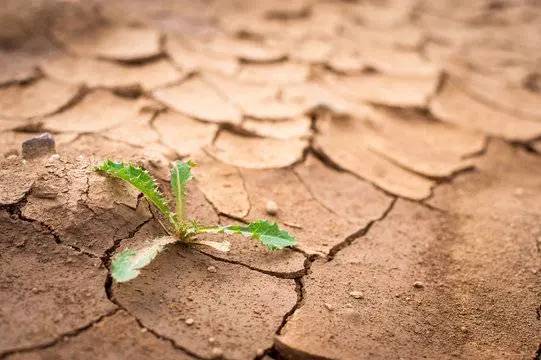
A separate strategy to combat desertification was also discussed. Approximately 70% of Uzbekistan’s territory is classified as arid, with over 70% of land affected by degradation, resulting in annual economic losses estimated at $830mn. The drying of the Aral Sea has left 3mn hectares of land unusable, while 56% of territory is affected by wind erosion.
To address these challenges, a regional research center on desertification is planned at the Green University. The center will include 15 laboratories and use satellite monitoring, geographic information systems, and remote sensing technologies to track land conditions. It will also establish a gene bank for drought-resistant plants and improve soil analysis systems.
The proposed measures aim to support environmental sustainability, improve air quality, expand green infrastructure, and strengthen scientific and institutional capacity in addressing climate and ecological challenges. The president approved the presented initiatives.