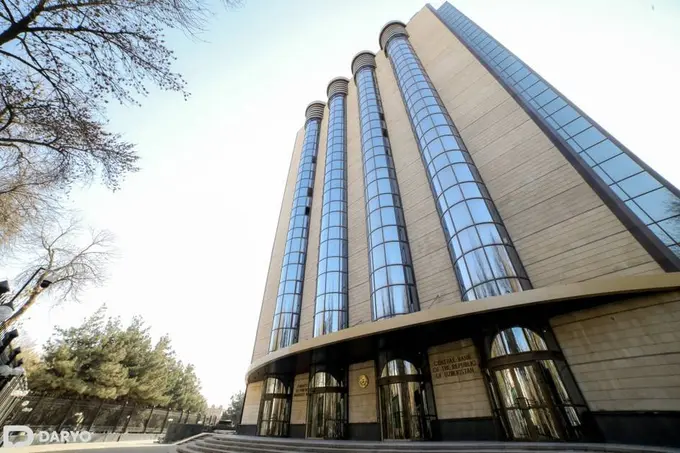
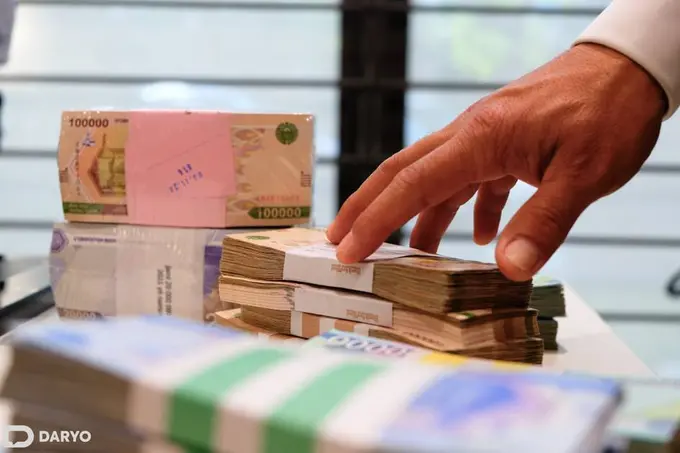
Uzbekistan’s latest survey, conducted by the Central Bank in partnership with the Asian Development Bank, reveals that household savings remain largely informal and cash-based.
Most citizens continue to keep money at home or in wallets rather than using banks or other formal financial institutions. Analysts note that this trend reflects a strong preference for familiar and easily accessible savings methods.
Compared with 2021, formal savings have grown slightly. Only 2.6% of respondents used official channels then, while by 2025, 6% saved in current accounts and 1.4% in deposits. Overall, formal savers now account for just over 7% of the population. While still low, this suggests gradual improvement in financial literacy and access to services.
Despite this progress, cash remains dominant due to convenience and immediate access. Trust in banks and procedural hurdles also contribute to the continued preference for informal saving.
Savings habits vary by region, age, and employment
Savings patterns differ across regions, age groups, and employment status. About 39% of respondents reported no savings. Non-savers are concentrated in northwestern regions and among people with only basic education. In contrast, Tashkent residents and university-educated individuals save more.
Employment strongly affects saving behavior. Students and employed people save more due to regular income, while retirees and the unemployed are less likely to save. Among pensioners, 46% reported no savings. Regular income is key to enabling household savings, analysts note.
Age and gender also matter. Women and older adults save less, often due to lower income or family responsibilities. Only 6% of savers save specifically for old age. This share rises to 13% in Tashkent and drops to 4% in northwestern regions. Awareness of formal savings does not always translate into actual use.
Borrowing remains largely informal
The survey found that 30% of respondents borrowed money in the past year, but only 12% used formal financial institutions. Most relied on family, friends, or community groups for small or short-term needs. Analysts say informal sources remain crucial for daily expenses.
Formal loans are mostly for larger purchases, like cars or business ventures. They are concentrated among employed and higher-educated individuals. Retirees and the unemployed rarely access formal credit. Many formal borrowers still face repayment challenges, sometimes selling assets or taking additional loans.
Installment purchases are common, especially among low-income and employed groups. These are often not seen as formal debt, blurring the line between everyday consumption and borrowing.
Digital credit remains limited
Mobile and online credit is still rare. Only 8% of respondents used apps for loans, showing fintech solutions are not yet widespread. Credit card ownership is also low, at 6%. However, cardholders tend to be responsible: 70% used their card in the past year, and 86% fully repaid borrowed amounts.
Installment and delayed payments, especially for food and household goods, are common among working and low-income groups. While useful, they are rarely classified as formal credit. Analysts highlight the need for financial literacy to help households distinguish informal borrowing from formal credit.