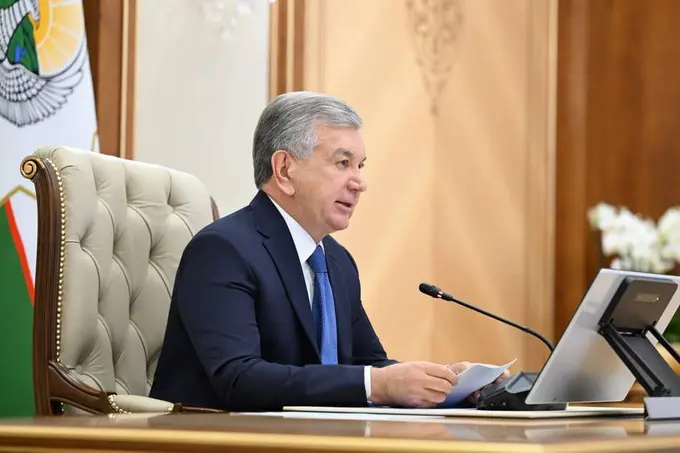
Uzbekistan’s parliament reviewed the performance indicators of the Ministry of Higher Education, Science and Innovation of Uzbekistan during a meeting of the Committee on Science, Education, Culture, Sports and Youth Issues of the Legislative Chamber of the Oliy Majlis.
During the session, the minister and his deputies presented information on the implementation of key performance indicators (KPI) used to evaluate the ministry’s activities and the progress of reforms in the higher education and research sector.
Officials noted that the KPI-based evaluation system has been introduced to strengthen accountability of executive authorities and ensure that institutional performance is measured through concrete results.
According to the report, Uzbekistan achieved several developments in higher education and science in 2025. In cooperation with universities ranked in the top 500 by international ranking agencies, 17 joint educational programs were launched.
In addition, three Uzbek universities entered the top 1,000 of global university rankings, reflecting the growing international presence of the country’s higher education system.
In the research sector, university faculty published 4,514 articles in the Scopus and Web of Science international databases. The share of academic staff holding scientific degrees reached 50%, while the sector attracted $112mn in foreign investment.

Officials also outlined priority objectives for 2026. The government plans to increase higher education enrollment coverage to 45% and allocate 3,600 state grants for students from families listed in the poverty registry, along with an additional 1,820 targeted grants based on regional needs.
Authorities aim to increase the number of internationally accredited educational programs to 133 and raise the number of Uzbek universities ranked in the top 1,000 globally to four.
Plans also include expanding digital public services provided through the my.gov.uz portal to 19 services and increasing the digitalization level of the sector to 83%.
Further measures include upgrading university information resource centers with 220,000 modern publications, digitizing 75% of their collections, increasing the share of faculty training abroad to 16%, and raising the proportion of foreign professors working in Uzbek universities to 9%.

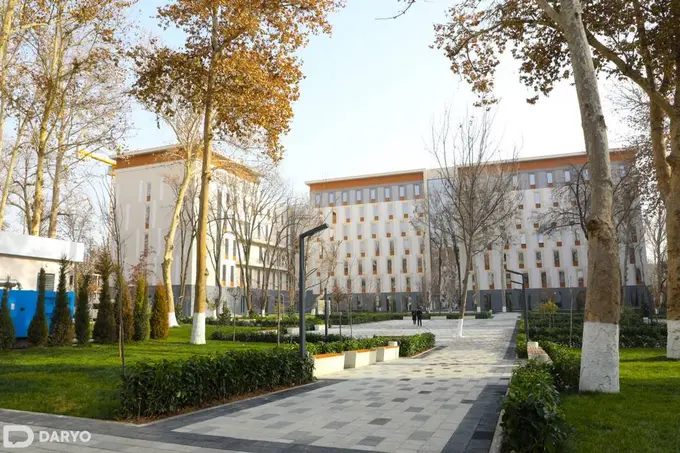
In addition, authorities plan to create 4,000 additional study places through new academic buildings and more than 12,000 dormitory beds for students.
Officials also highlighted plans to strengthen innovation by launching three spin-off companies, implementing 300 innovation projects and engaging 5,000 talented young people in scientific research.
At the end of the discussion, lawmakers provided recommendations to improve the ministry’s KPI framework for 2026 and strengthen strategic planning and performance outcomes.