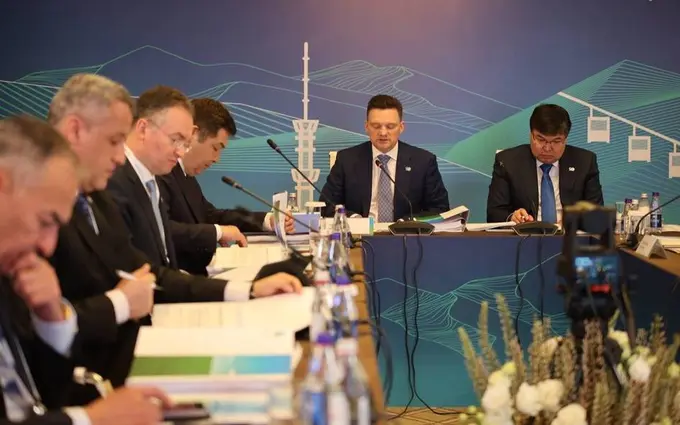
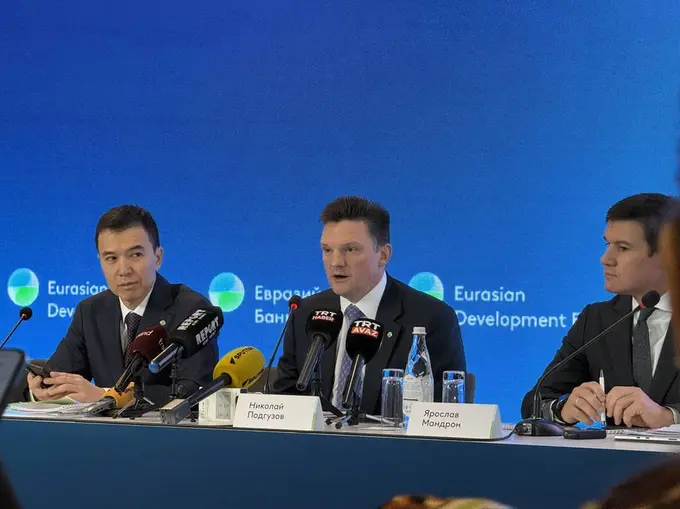
Central Asia’s population could grow to 96mn by 2040, while annual water shortages may reach 5–12 cubic kilometers by 2028, increasing pressure on infrastructure and economic sustainability, according to Nikolai Podguzov, Chairman of the Management Board of the Eurasian Development Bank (EDB).
In an interview with TASS, Podguzov stated that demographic growth remains a key driver of economic expansion, but rising population levels will intensify demand for energy, transport and water systems. He noted that ensuring sustainable development will require accelerated progress in energy efficiency, modern mobility and water resource management.
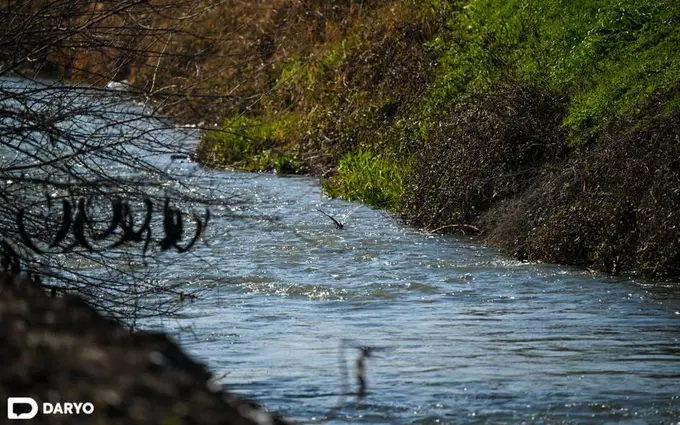
The region is considered one of the most vulnerable globally to climate change. According to EDB assessments, outdated irrigation and water infrastructure contribute to substantial resource losses, compounding the impact of projected shortages.
The bank is financing modernization of irrigation systems, deployment of water-saving technologies and the introduction of digital water accounting tools aimed at improving efficiency and reducing losses across Central Asia.
Geographic constraints also continue to affect regional growth. Located more than 3,000 kilometers from major ocean ports, Central Asia faces trade costs that are 20–40% higher, reducing potential annual economic growth by up to 1.5 percentage points due to what Podguzov described as a structural “distance factor.”
To mitigate these challenges, the EDB has proposed the Eurasian Transport Framework — a network of transport corridors designed to lower logistics costs and accelerate trade. While current routes are predominantly oriented east–west, Podguzov emphasized the importance of developing north–south corridors and the potential Trans-Afghan route to improve access to South Asian and Persian Gulf markets.
Despite structural constraints, Central Asia remains among the fastest-growing regions globally. The EDB projects that the combined economy of the region’s five countries will reach $600bn in 2026.
According to UNICEF forecasts, the region’s population is expected to exceed 84mn by 2025.
Podguzov noted that demographic growth, water security and transport connectivity are closely interconnected challenges that will shape Central Asia’s long-term development trajectory.
Earlier, Central Asia became a beneficiary of the $250mn Green Climate Fund–backed “Glaciers to Farms” program implemented by the Asian Development Bank to improve water management and irrigation resilience.
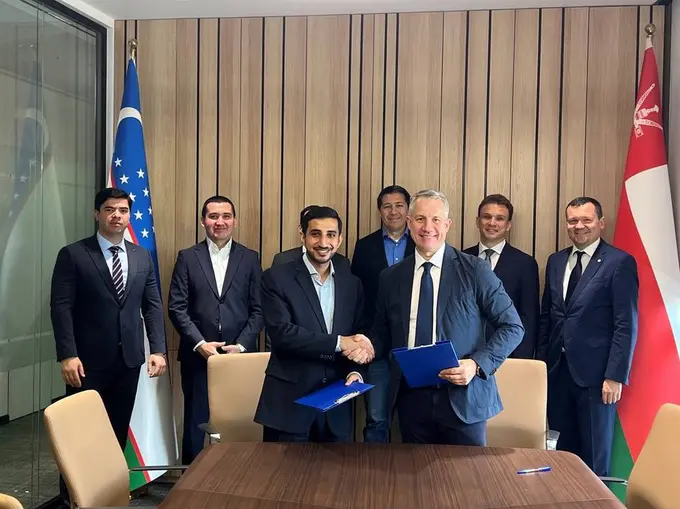
Kazakhstan, Kyrgyzstan and Uzbekistan also recently signed a trilateral protocol reaffirming regional coordination on water and energy resources to enhance system stability.