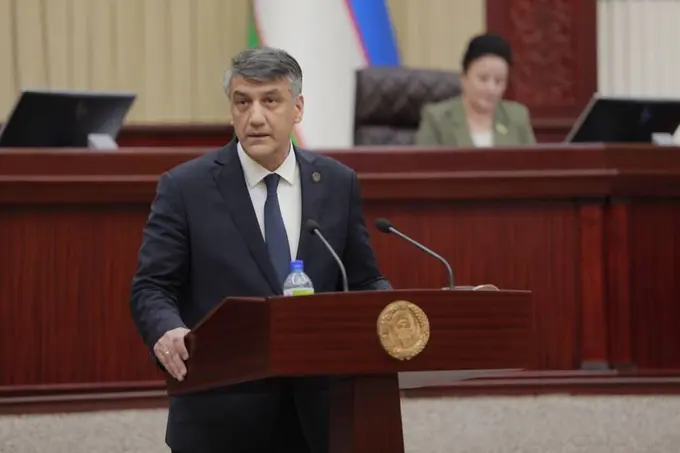
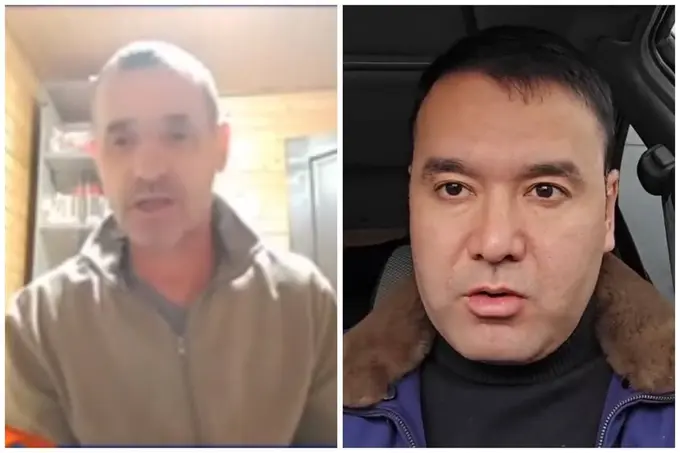
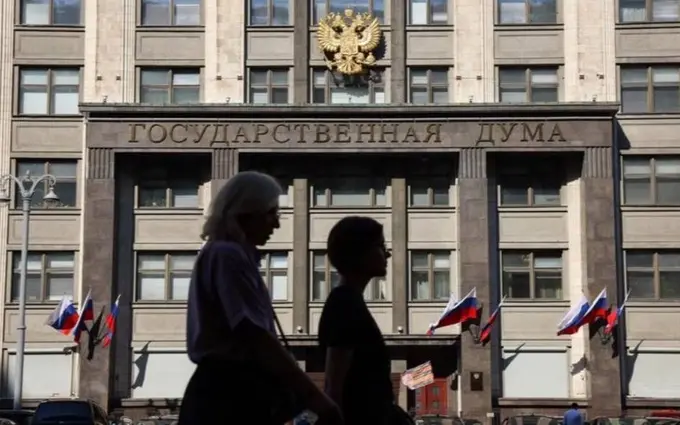
According to the ministry’s spokesperson, Ahror Burkhanov, the note requested that Russian authorities identify the man captured in the footage and take legal measures against him.
The incident was widely discussed online after being shared by the Telegram channel TRT. In the video, a man is heard shouting at a taxi driver of Uzbek origin:
“You are a slave, a slave of the Russians!”He continued with insults, claiming that the driver had failed to find opportunities in Uzbekistan and had no choice but to work in Russia.
Eyewitnesses reported that the confrontation began when the taxi temporarily blocked the entrance to a residential courtyard, waiting for a garbage truck to pass along a narrow road. The driver asked the man to calm down before leaving the scene.

“Citizens are under the protection of the state”
In a statement published on its official Telegram channel, the Uzbek Foreign Ministry emphasized that citizens of Uzbekistan remain under the protection of the state regardless of where they live or work.
“If the rights, freedoms, legitimate interests, or dignity of citizens abroad are violated, they must immediately contact the competent law enforcement agencies of the host country. In addition, citizens can seek legal and consular assistance from Uzbekistan’s diplomatic missions or consular offices,” the ministry said.
The ministry added that the protection of Uzbek citizens abroad is a priority of state policy, grounded in the Constitution, national legislation, and international law.
Responding to media inquiries, the ministry’s press service confirmed that its Telegram post was a general reminder for all citizens abroad, but also served as a response to the Khimki incident.
Previous concerns over migrant mistreatment
This is not the first time Uzbekistan has raised the issue with Moscow. In June, the Foreign Ministry expressed concern over reports of mistreatment of Uzbek citizens in Russia, citing unauthorized searches and abuse.
During a regular bilateral meeting on migration issues, Tashkent urged Russian authorities to ensure the dignity and rights of Uzbek nationals are respected, warning that such practices negatively affect bilateral relations.
The case has once again drawn attention to the conditions faced by Uzbek migrant workers in Russia, where many struggle with challenging work and living environments. Despite these difficulties, remittances remain a critical lifeline for Uzbekistan’s economy.
Remittances from Russia continue to remain a vital source of income for Uzbekistan’s economy. In the first half of 2025, Russia accounted for about 78% of all incoming remittances, totaling roughly $6.4bn.
Follow Daryo's official Instagram, LinkedIn, and Twitter pages to keep current on world news