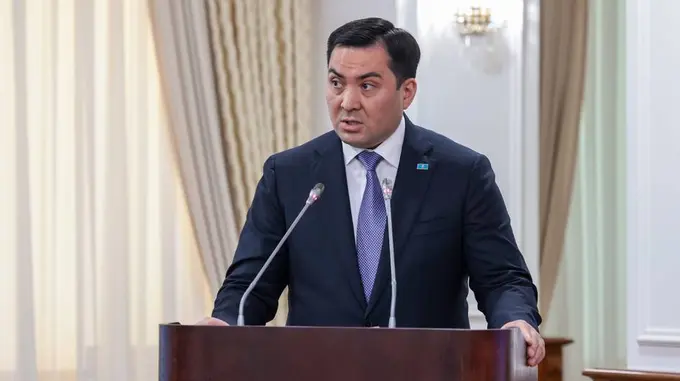
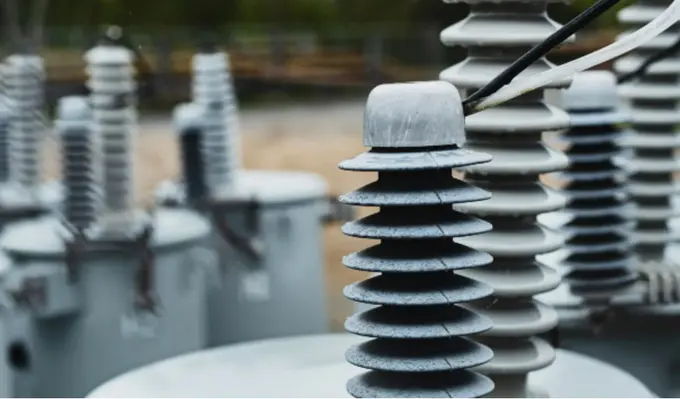
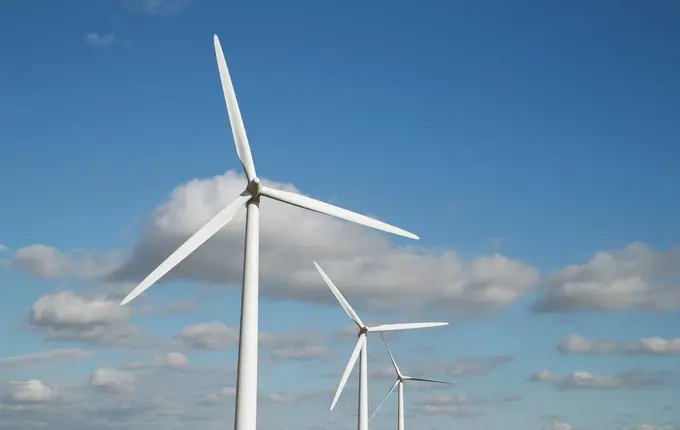
Kazakhstan plans to attract over KZT 13 trillion ($24.1bn) in investments over the next five years to modernize its energy and utility infrastructure. The national project includes the repair and construction of 86,000 km of utility networks and the addition of 7.3 GW in new power generation capacity, Deputy Prime Minister Kanat Bozumbayev announced during a government press conference.
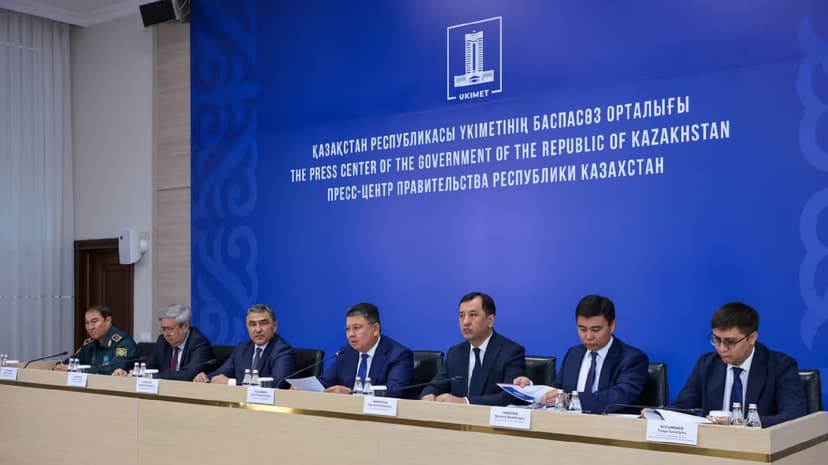
Speaking on August 7, Bozumbayev provided a detailed update on the government’s efforts to implement President Kassym-Jomart Tokayev’s instructions, highlighting reforms in energy, housing and utilities, regional development, water resource management, and emergency preparedness.
Bozumbayev said the modernization effort, officially launched with the adoption of a new law on July 29, will be financed through a mix of domestic and international financial institutions, commercial banks, budget funds, and shareholder capital.
Pilot projects are already being rolled out by 35 natural monopoly entities, with six expected to reduce network wear to below 40% by the end of 2025. This year, around KZT 150bn ($278.1mn) will be allocated for the repair of 8,500 km of networks and the replacement of 42,000 units of equipment. In 2026, investments will rise to KZT 1 trillion ($1.9bn) to upgrade 9,700 km of networks and replace 46,000 equipment units.
To support domestic industry, 2,786 locally produced items worth KZT 2.1 trillion ($3.9bn) have been identified, and a pool of 220 domestic producers has been formed.
Bozumbayev also announced the approval of the 2025–2030 Concept of Regional Development, which seeks to reduce regional disparities and unlock economic potential through better access to social services, infrastructure, and transport. Particular attention is being paid to the most underserved regions.
Support measures for single-industry towns include long-term contracts, industrial zones, and SME development.
As part of rural revitalization, Kazakhstan continues implementing the "Auyl Amanaty" and "Auyl – El Besigi"programs. In 2025, KZT 50bn ($92.7mn) was allocated to Auyl Amanaty, and a further KZT 450bn ($834.2mn) is planned between 2026 and 2028. These initiatives are expected to support over 25,000 projects and create more than 100,000 jobs.
Turning to water sector reform, Bozumbayev highlighted the new Water Code, which came into force on June 10. More than 6,000 km of canals are currently being modernized, with 962 km scheduled for completion in 2025, enabling irrigation of up to 200,000 hectares of land.
Reconstruction of reservoirs, including Karakuys in the Turkestan region, is underway. By the end of 2025, the government aims to inspect 105 hydraulic structures and launch 10 water supply projects across six regions.
This year, 5bn m³ of water was directed to the Northern Aral Sea, increasing its volume to 24.4bn m³.
Bozumbayev emphasized that Kazakhstan is on track to expand water-saving irrigation technologies to 912,000 hectares by 2027. The government has increased subsidies for farmers from 50% to 80% for infrastructure and equipment, introduced tiered water usage tariffs, and raised excess irrigation water rates by 20% to encourage conservation.
The Deputy Prime Minister also spoke about improvements in emergency response. Since the start of the year, the Ministry of Emergency Situations has conducted over 60,000 site visits and saved more than 10,000 lives. Surveillance systems from forestry enterprises are now connected to the ministry’s Situation Center for real-time fire monitoring.
In June, amendments to the law on civil defense were passed to enhance fire and industrial safety standards and introduce a fire insurance mechanism.
Follow Daryo's official Instagram and Twitter pages to keep current on world news.