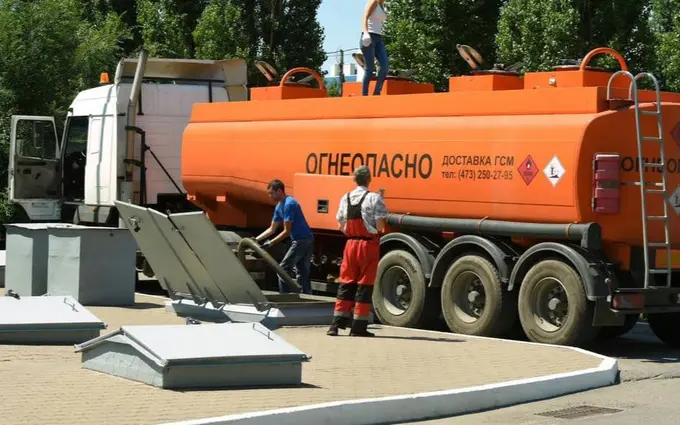
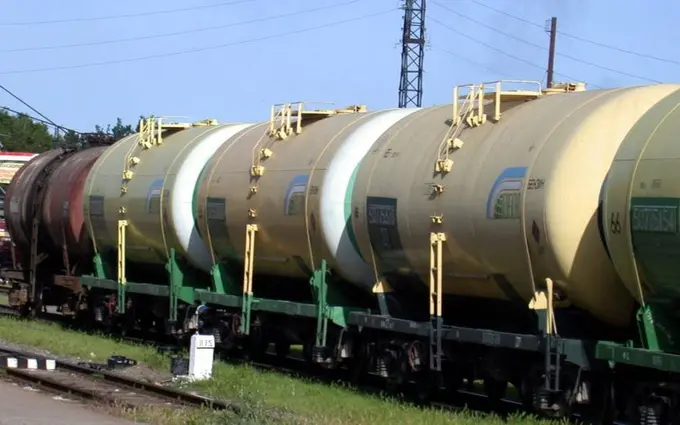
Central Asian countries are adopting different strategies to protect their fuel markets as Russia's ongoing fuel crisis disrupts regional supplies, prompting governments to tighten border controls, diversify imports and strengthen energy security.
Kyrgyzstan has appealed to Russia, Kazakhstan, Uzbekistan, Turkmenistan, Belarus and Azerbaijan for assistance in securing stable fuel supplies while negotiating new import arrangements to reduce its dependence on Russian deliveries.
Amid the supply concerns, Bishkek has abolished state price controls on AI-95 gasoline, removing regulations that capped maximum retail fuel prices. Officials said the move is intended to safeguard economic security and ensure uninterrupted fuel supplies, TASS reported.
Around 90–95% of Kyrgyzstan's petroleum product imports currently come from Russia. Energy Minister Oltinbek Risbekov announced that negotiations with Uzbekistan are continuing at both government and ministerial levels, while Belarus and China have also expressed readiness to supply fuel, although transit would still depend on Russia.
Kazakhstan has intensified efforts to prevent illegal fuel exports by introducing stricter border controls, including limiting foreign freight and passenger vehicles to one border crossing per day.
Authorities have also established 59 police checkpoints near border crossings to inspect vehicles alongside other state agencies. Since the beginning of the year, officials have detected 255 cases involving illegally installed auxiliary fuel tanks used for smuggling petroleum products.
In Tajikistan, authorities have strengthened oversight of domestic fuel prices and supplies while working to diversify imports. More than 70% of the country's imported petroleum products and liquefied gas originated from Russia in 2025.
The Civil Aviation Agency has also acknowledged shortages of aviation fuel and said efforts are underway to source supplies from Kazakhstan and Turkmenistan.
Although Turkmenistan remains an oil-producing country, reports indicate persistent domestic fuel shortages. Independent media outlet Turkmen News reported long queues at filling stations, fuel scarcity outside Ashgabat and shortages of aviation kerosene that temporarily disrupted civil aviation operations in late 2024.
Since April 1, vehicles leaving Turkmenistan have also faced a 300-liter limit on diesel fuel carried across the border, with additional charges imposed on excess volumes.
Meanwhile, Uzbekistan says it has sufficient fuel reserves to fully meet domestic demand over the next two to three months despite regional uncertainty.
According to First Deputy Energy Minister Umid Mamadaminov, Uzbekistan produces more than 1.2mn tons of petroleum products annually, while private companies import an additional 600,000–700,000 tons each year, providing enough supply to meet domestic demand.