Uzbekistan's international reserve assets increased in July after declining in the previous month, according to data released by the Central Bank.
As of August 1, the country's total gold and foreign exchange reserves stood at $64.34bn, an increase of $589.75mn, or 0.92%, compared with the previous month. The growth was driven by higher values of both gold holdings and foreign exchange reserves.
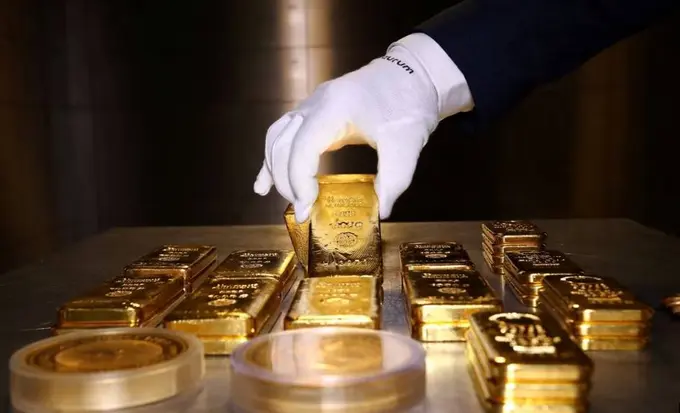
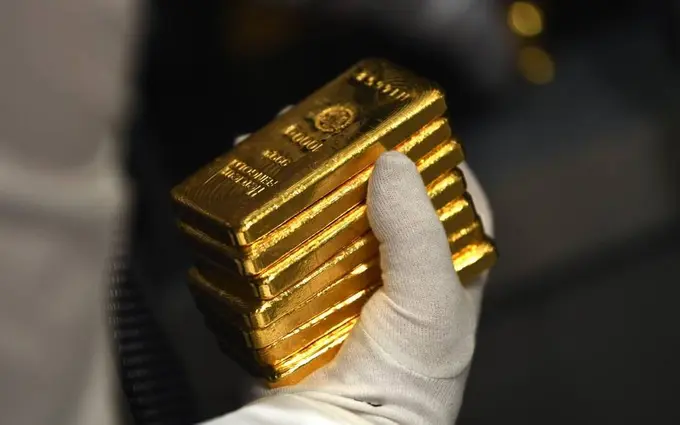
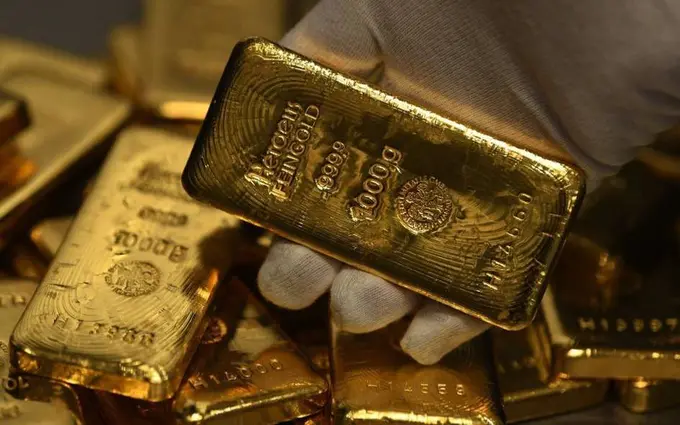
The value of gold held by the Central Bank reached $56.12bn at the beginning of August, rising by $365.3mn, or 0.66%, during July. Despite the increase in value, the physical volume of gold reserves declined slightly.
Gold holdings fell from 13.88mn troy ounces in June to 13.85mn troy ounces by August 1, equivalent to approximately 430.8 tons. Gold prices fluctuated throughout July. The precious metal traded at around $4,200 per troy ounce at the beginning of the month before falling below $4,000 during the second ten-day period. Prices later recovered, finishing the month above $4,100 per ounce.
Foreign currency reserves also increased during the month, reaching $7.65bn by the end of July, up $208.8mn, or 2.81%, from June. Cash holdings and deposits placed with other financial institutions rose by 28.5% to $5.89bn.
Of this amount, $1.22bn was held in accounts with foreign central banks and the International Monetary Fund (IMF), representing an increase of 2.3% compared with the previous month. Deposits with foreign commercial banks increased by 37.6% to $4.66bn.
At the same time, the Central Bank reduced its holdings of foreign securities. The value of foreign securities on the Central Bank's balance sheet declined by 38.4% during July to $1.76bn. As a result, the share of foreign securities in Uzbekistan's total international reserves fell to 2.74%, compared with 4.49% at the end of June.
The latest data indicate that Uzbekistan's international reserves remain primarily composed of gold, which accounts for the largest share of total reserve assets. The July increase in reserves reflects higher gold valuations alongside growth in foreign currency holdings, while the Central Bank's portfolio of foreign securities declined both in value and as a share of overall reserves.